The Transformation of Las Vegas: From Desert Stopover to Gambling Mecca
Las Vegas, known globally as the "Entertainment Capital of the World," didn't always shimmer with neon lights and echo with the sounds of slot machines. Its evolution into a gambling powerhouse is a story of strategic shifts, economic necessity, and visionary enterprise. This article explores the historical trajectory that transformed a modest desert town into the world's premier gambling destination.
Early Beginnings and Legalization of Gambling
.png)
Las Vegas started as a humble railroad town in the early 20th century, serving as a rest stop for travelers on their way to the West Coast. The real turning point came in 1931, during the throes of the Great Depression, when Nevada legalized gambling. This decision was driven by the state's need to rejuvenate its economy through new sources of revenue. The Northern Club, gaining the first gambling license, marked the dawn of Las Vegas's journey toward becoming a gambling haven.
The Influence of the Hoover Dam
The construction of the Hoover Dam in 1935 was another pivotal development, bringing thousands of workers to the region. Las Vegas saw an opportunity and capitalized on it, providing entertainment and gambling facilities to the new residents. This period saw the burgeoning of the city's population and economy, setting foundational stones for its future growth.
The Birth of the Las Vegas Strip
Post World War II, the landscape of Las Vegas underwent a significant transformation with the development of the Las Vegas Strip. Mobster Bugsy Siegel's Flamingo, opened in 1946, introduced a new luxury standard to the gambling scene. This move shifted the focus from the downtown area to what would become the illustrious Strip, characterized by opulence and high-end entertainment, drawing wealthier tourists and setting a precedent for future developments.
The Boom of the '50s and '60s
The mid-20th century marked a boom in casino construction with iconic venues like the Sahara, the Sands, and the Tropicana springing up. This era also saw a reduction in organized crime's influence as legitimate corporate investments began flowing into the city. This shift not only brought in substantial capital but also helped sanitize the gambling industry's reputation, making it more palatable to the average American family.
The Era of Mega-Resorts
The 1980s and 1990s ushered in the era of mega-resorts, epitomized by the opening of the Mirage in 1989. These complexes were more than just casinos; they were entertainment hubs offering a plethora of attractions including theme parks, shopping centers, and culinary delights. This diversification strategy was pivotal in transforming Las Vegas's image from a gambling-centric locale to a comprehensive family-friendly destination.
Las Vegas Today: A Synthesis of Luxury and Innovation
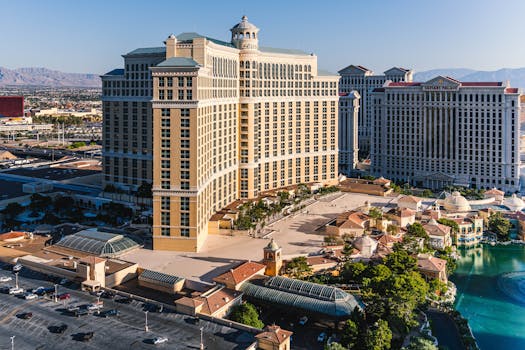
Today, Las Vegas continues to reinvent itself, consistently pushing the boundaries of luxury and innovation in the gambling industry. The city's embrace of technological advancements like online betting and sophisticated gaming machines keeps it at the cutting edge of the gambling industry. Moreover, Las Vegas remains dedicated to expanding its luxury tourism sector, attracting a global audience seeking top-tier entertainment.
Conclusion
From a mere railway stop to a global gambling and entertainment magnet, Las Vegas's journey is a compelling story of adaptation and transformation. The city's historical relationship with gambling showcases its ability to leverage economic opportunities and societal trends, ensuring its continued growth and relevance in the entertainment industry. As Las Vegas continues to evolve, it stands as a testament to human ingenuity and resilience, forever sparkling in the heart of the Nevada desert.