.png)
Title: How Gambling Shaped the World's Most Iconic Architectures
Gambling has not only been a popular pastime but has also played a pivotal role in shaping architectural marvels across the globe. From the opulent casinos of Europe to the dazzling resorts of Las Vegas, the impact of gambling on architecture is both profound and unmistakable. This article delves into how gambling has influenced architectural designs, transforming cities and creating iconic skylines that attract millions of tourists each year.
The European Grandeur
One cannot discuss gambling's influence on architecture without mentioning the Casino de Monte-Carlo in Monaco. Designed by Charles Garnier, who is also famed for the Paris Opera House, the casino opened its doors in 1863 and soon became the epitome of luxury and elegance. The Beaux-Arts style of the casino reflected the affluence and opulence that the gambling industry was synonymous with during that era. The success of the Casino de Monte-Carlo not only boosted Monaco’s economy but also set a benchmark in casino architecture, emphasizing grandeur and luxury.
The Transformation of Las Vegas
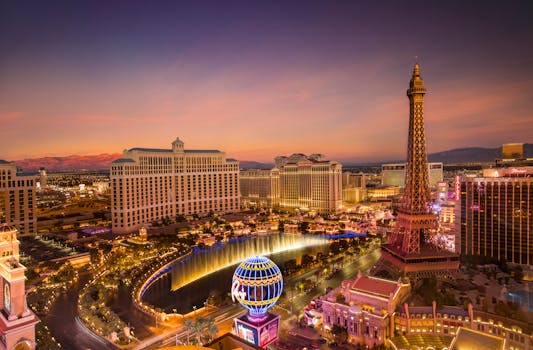
In the United States, Las Vegas stands as a testament to how gambling can redefine a city’s architectural and economic landscape. The city’s evolution from a modest railroad service center to the glamorous gambling capital of the world is a remarkable tale of transformation. Post-World War II, Las Vegas became a playground for architects, who were encouraged to design bold and imaginative structures. The Strip, known for its eclectic mix of themed casinos and resorts—from the ancient Roman splendors of Caesars Palace to the medieval charms of Excalibur—showcases an array of architectural styles that serve both aesthetic and marketing purposes. These thematic designs have not only captivated visitors but have also inspired casino and resort architecture worldwide.
The Elegant Spa Towns of Europe
The architectural influence of gambling extends beyond the lavish casinos and includes the development of European spa towns such as Baden-Baden in Germany and Bath in England. These towns, which gained popularity in the 18th and 19th centuries, were frequented by visitors who were drawn both to the healing properties of the natural hot springs and the thrill of gambling. The influx of these visitors led to the development of grandiose public buildings and ornate homes, characterizing the towns with a distinct architectural style that blended leisure and luxury.
Preserving Historical Significance
Today, these architectural landmarks are not just operational entertainment venues but are also historical artifacts that need preservation. Monte-Carlo’s efforts to maintain the Casino de Monte-Carlo are about preserving more than just a building—they aim to retain a piece of the principality’s transformation into a glamorous resort destination. Similarly, preservation initiatives in Las Vegas focus on retaining the city’s unique cultural and historical essence, which is deeply intertwined with its development as a gambling hub.
Conclusion
The relationship between gambling and architecture is intricately layered, reflecting broader social, cultural, and economic narratives. The architectural developments driven by the gambling industry—from Monaco’s luxurious casinos to Las Vegas’ thematic resorts—have left an indelible mark on the world’s architectural landscape. These structures are not merely venues for entertainment; they are monuments of cultural significance, emblematic of the dynamic interplay between societal leisure activities and their economic and social contexts. As we continue to study and preserve these iconic buildings, we gain insights into the complex ways in which leisure activities like gambling shape not just architecture but also urban development and cultural identities.