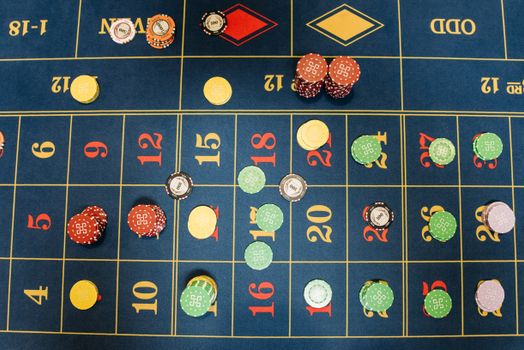
Gambling is a complex and controversial subject, sparking debate in communities around the world. While some view gambling as a potential engine for economic growth, others point to its social costs and risks. The impact of gambling on local economies is multifaceted, involving job creation, tourism, tax revenues, and the potential for both social progress and harm. To truly understand this dynamic, it is essential to examine real-world examples and data. This article explores the economic impact of gambling through the lens of a case study, while comparing the outcomes in different regions and weighing both the benefits and downsides.
Gambling and Local Economies: An Overview
Gambling has been used as a tool for economic development in many parts of the world. By 2023, the global gambling market was valued at over $500 billion, with the United States, Macau, and Australia leading in gambling revenue. Local governments often see casinos and gambling establishments as a way to revitalize struggling economies, attract tourists, and boost public revenues.
The economic rationale is clear: gambling establishments create jobs, generate tax revenue, and can stimulate other local businesses such as hotels, restaurants, and retail outlets. For example, in the U.S. alone, commercial casinos employed approximately 370,000 people in 2022, according to the American Gaming Association.
.png)
However, the impact is not universally positive. Economic benefits can be offset by social costs, such as increased problem gambling, crime, and the diversion of spending from other local businesses. The true effect depends on a range of factors, including local demographics, the regulatory environment, and how gambling revenues are distributed.
Case Study: The Transformation of Atlantic City
One of the most cited examples of gambling-driven economic transformation is Atlantic City, New Jersey. Once a thriving resort destination, Atlantic City faced economic decline in the 1960s and 1970s. In 1976, New Jersey voters approved casino gambling, hoping to revive the city’s fortunes.
Within a few years, Atlantic City became the second-largest gambling market in the U.S. after Las Vegas. By 2006, casino revenues peaked at $5.2 billion, and the city supported more than 40,000 casino-related jobs. The tax revenue generated from casinos contributed significantly to state and local budgets, funding senior citizen and disabled resident programs.
Yet, the city’s experience also highlights the volatility of relying on gambling. As neighboring states legalized casinos, Atlantic City’s revenues fell sharply—by 2019, casino revenues had declined to around $3.3 billion. Multiple casinos closed, resulting in job losses and economic instability. This case demonstrates both the promise and perils of depending heavily on gambling as a local economic driver.
Comparing Economic Impacts: Casinos vs. Other Industries
How does the economic impact of gambling compare to other forms of local investment? Consider job creation, wages, and multiplier effects. The following table presents a comparison among casinos, manufacturing, and tourism sectors based on U.S. data:
| Industry | Average Wages (Annual, USD) | Direct Jobs Created (per $10 million invested) | Economic Multiplier Effect |
|---|---|---|---|
| Casinos | $41,000 | 80 | 1.9x |
| Manufacturing | $54,000 | 50 | 2.3x |
| Tourism (non-gambling) | $35,000 | 95 | 1.7x |
Casinos offer competitive wages and substantial direct employment, but their multiplier effect—how much additional economic activity is generated per dollar invested—tends to be lower than that of manufacturing. However, casinos employ more people directly per investment dollar than manufacturing, though less than the broader tourism industry. This data suggests that while gambling can be a valuable component of economic development, it may not outperform other sectors in terms of overall economic stimulation.
Local Benefits: Jobs, Tax Revenue, and Infrastructure
For many communities, the immediate benefits of gambling legalization are tangible. When new casinos or gambling venues open, they create a surge in employment opportunities—not only within the casinos themselves but also in supporting industries. For instance, when the MGM National Harbor resort opened in Maryland in 2016, it created over 4,000 permanent jobs in the region and generated $157 million in tax revenue for the state in its first year.
Tax revenues from gambling are often earmarked for critical local services such as schools, public safety, and infrastructure. In Pennsylvania, casino taxes have contributed over $17 billion to the state’s economy since 2006, providing funding for property tax relief, local governments, and community development projects.
Gambling establishments also drive tourism, attracting visitors who spend money at local hotels, restaurants, and entertainment venues. In Macau—the world’s largest gambling hub—over 27 million tourists visited in 2019, with gambling accounting for nearly 80% of government revenue. This influx benefits a wide array of local businesses and supports public investment in transportation and city services.
The Hidden Costs: Social and Economic Downsides
While the economic upsides are significant, gambling’s social costs can erode or even outweigh the gains for some communities. Studies have shown that up to 2% of adults develop a gambling disorder in areas with easy access to casinos. Problem gambling is associated with higher rates of bankruptcy, crime, family breakdown, and mental health issues.
A 2016 study from the National Council on Problem Gambling found that social costs—including crime, lost productivity, and increased demand for social services—can reach $7 billion annually in the United States alone. Local businesses may also suffer as residents divert discretionary spending to casinos rather than to other entertainment, retail, or dining options.
Additionally, the anticipated economic benefits may not always materialize evenly. In some cases, casino jobs may be lower-wage or part-time, and the profits from gambling establishments may flow to national or international corporations rather than remaining in the local community.
Long-Term Sustainability: Lessons from Global Markets
The long-term sustainability of gambling as an economic engine depends on several factors:
1. $1: As more regions legalize gambling, competition increases, often leading to declining revenues in established markets. This has been evident in Atlantic City and in parts of Australia. 2. $1: Effective regulation can mitigate negative social impacts and ensure that gambling revenues are reinvested in the local community. For example, Singapore’s integrated resort model includes robust responsible gambling measures and channels casino taxes into public infrastructure and social programs. 3. $1: Cities or regions that over-rely on gambling risk economic instability if public tastes shift or if new competition emerges. Diversifying the local economy—by investing in other industries or integrating gambling with broader tourism and entertainment offerings—can provide a buffer against such shocks. 4. $1: Involving local stakeholders in decision-making and prioritizing community needs can help maximize the positive impacts of gambling while minimizing harm.Final Thoughts on the Economic Impact of Gambling
The impact of gambling on local economies is neither wholly positive nor entirely negative. As the case of Atlantic City and other regions illustrate, gambling can provide a substantial economic boost—generating jobs, tax revenues, and tourism—but these benefits may be temporary or unevenly distributed. The risks of social harm, market saturation, and economic dependence are real and must be managed proactively.
For policymakers and community leaders considering gambling as a tool for economic development, the key lies in striking a careful balance: leveraging the benefits while implementing safeguards to minimize social costs. Robust regulation, reinvestment in local infrastructure, and diversification strategies are essential for ensuring that gambling contributes positively to long-term community well-being.