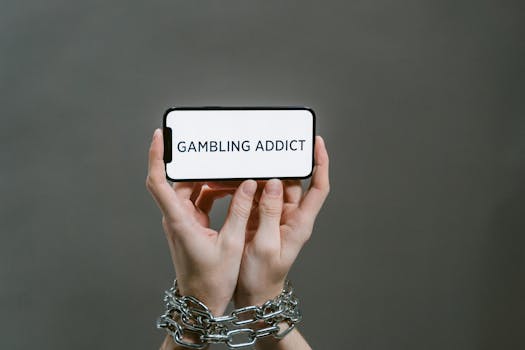
Understanding the Psychological Effects of Online Gambling
Online gambling has rapidly expanded with the rise of digital technology, offering users an easy and immediate way to engage in betting activities from anywhere at any time. This convenience, however, comes with significant mental health risks that need to be carefully managed. This article delves into the psychological impacts of online gambling and offers guidance on maintaining healthy gambling habits.
The Psychological Lure of Online Gambling
.png)
Online gambling platforms are designed to be engaging and exciting. They offer a variety of games that can lead to quick financial gains, which, in turn, stimulate the brain's reward system. Similar to other addictive behaviors, gambling activates dopamine production, a neurotransmitter linked to pleasure and reward-seeking behavior. The ease of access and the anonymity provided by online platforms can accelerate the development of gambling habits that may lead to addiction.
Potential Mental Health Risks
- Addiction and Compulsive Behavior
Gambling addiction is one of the most direct consequences of prolonged online gambling. It manifests as an uncontrollable urge to continue gambling despite facing negative personal and financial consequences. Over time, individuals may require larger bets or more frequent gambling sessions to experience the same 'high,' leading to a harmful cycle.
- Emotional Volatility
The unpredictable nature of gambling can cause significant emotional swings. Winning can result in a temporary high, while losses can lead to severe mood dips, contributing to long-term mood disorders like depression and anxiety.
- Increased Stress and Anxiety
Chronic gambling often leads to heightened stress and anxiety levels, particularly as financial and personal consequences start accumulating. This can exacerbate existing mental health issues or lead to the development of new ones.
- Social Isolation
Unlike traditional gambling environments that may offer social interactions, online gambling is often a solitary activity. This isolation can intensify feelings of loneliness and detachment, worsening mental health conditions like depression.
Recognizing the Signs of Problem Gambling
It's crucial to recognize the early signs of problem gambling before it leads to more severe consequences. Warning signs include:
- Spending more money or time on gambling than initially intended.
- Lying to friends and family about gambling activities.
- Gambling to escape from real-life problems or to relieve feelings of helplessness or anxiety.
- Neglecting responsibilities and relationships due to gambling.
Strategies for Responsible Gambling
To mitigate the risks associated with online gambling, consider the following strategies:
- Set Limits: Establish limits for both time and money spent on gambling activities.
- Seek Alternatives: Engage in non-gambling activities that you enjoy to reduce the focus on and frequency of gambling.
- Maintain Social Connections: Ensure that gambling does not become a replacement for spending time with friends and family.
- Professional Help: If gambling becomes a concern, seek help from professionals who specialize in gambling addiction. Many resources offer support and treatment for problem gambling.
Conclusion
While online gambling can offer entertainment and financial rewards, it is critical to approach it with caution due to its potential to cause significant mental health issues. By understanding the risks involved, recognizing the signs of problem gambling, and employing strategies to gamble responsibly, individuals can enjoy online betting activities without compromising their mental and emotional well-being. As online gambling continues to grow, fostering awareness and promoting responsible gambling habits are key to protecting mental health.