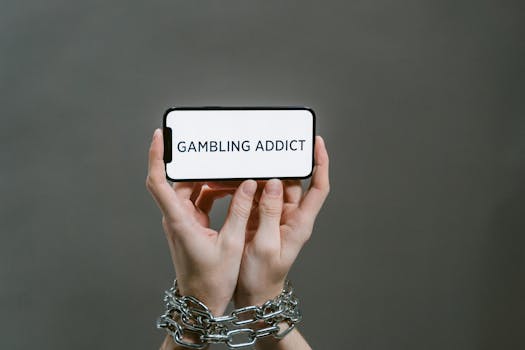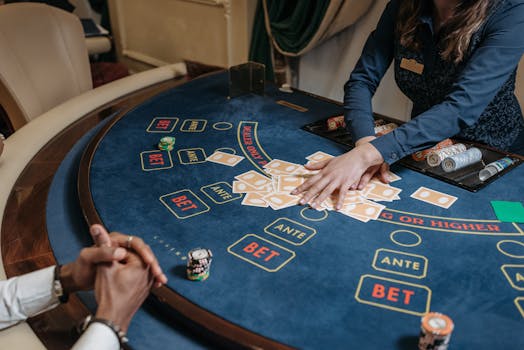
Slot machines are not just a popular casino game, they're a psychological puzzle. Their design and gameplay are carefully crafted to engage players and encourage continuous play. Here's a closer look at the psychological principles and tricks that make slot machines so addictive.
Intermittent Reinforcement
The principle of intermittent reinforcement is key to understanding the addictiveness of slot machines. This concept from behavioral psychology suggests that an action that is occasionally rewarded is more likely to be repeated than an action that is always rewarded. Slot machines are designed to pay out winnings sporadically, reinforcing the gambling behavior unpredictably. This uncertainty keeps the game exciting and players engaged, as they never know when they'll hit the next payout.
.png)
Near-Miss Effect
Slot machines frequently utilize the near-miss effect, where the reels show symbols that are nearly a winning combination, encouraging the player to try again. This phenomenon can be psychologically stimulating because it triggers the same areas of the brain that actual wins do. The near-miss effect makes players feel like they are close to winning, pushing them to continue playing in the hope of achieving a full win next time.
Sensory Cues
The bright colors, flashing lights, and vibrant sounds of slot machines are designed to captivate players. These sensory cues contribute to the excitement and appeal of the game. They can also trigger the release of dopamine, a neurotransmitter linked to pleasure and reward, which enhances the player's gaming experience and encourages prolonged play.
Simplicity and Accessibility
Unlike many casino games that require knowledge of rules and strategies, slot machines are straightforward and easy to play. This simplicity makes them accessible to a broader audience, including both novices and experienced gamblers, thereby widening their appeal.
Illusion of Control
Slot machines give players the illusion of control over the game. Players can choose which machine to play, how much to bet, and when to stop. This perceived control can make players feel more confident and may encourage more significant spending, despite the outcomes being entirely dependent on chance.
Social Interaction
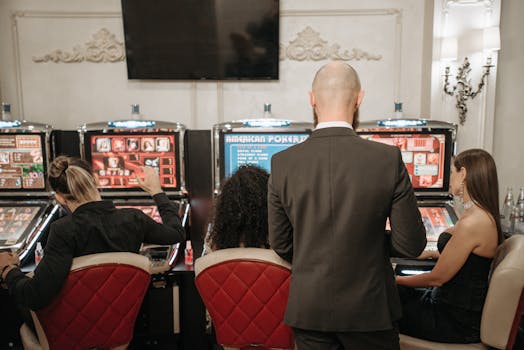
Slot machines are often clustered in groups, promoting social interaction among players. This social environment can enhance the gaming experience and encourage players to spend more time and money.
Casino Strategies
Casinos also employ strategic measures to maximize the time players spend on slot machines. The placement of essential services like bars and bathrooms is calculated to ensure they are not too close to gaming areas, subtly encouraging players to stay at the machines longer. Additionally, the absence of windows and clocks helps to obscure the passage of time, making players less aware of how long they have been gambling.
Understanding the psychology behind slot machines can help players recognize these triggers and perhaps exert better control over their gambling behaviors. By being aware of the mechanisms at play, both casual players and gambling enthusiasts can manage their engagement with slot machines more effectively, potentially leading to a more controlled and enjoyable gaming experience.