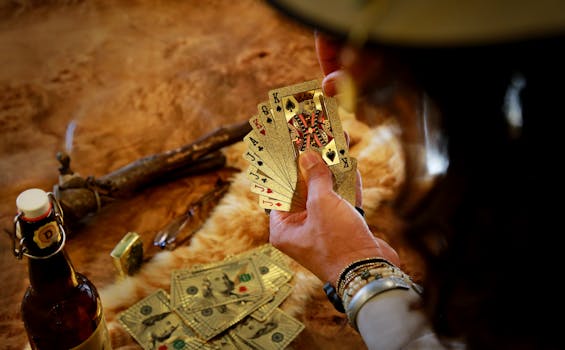
The historical nexus between royal courts and the evolution of gambling is a fascinating reflection of how leisure activities can mirror societal structures and influence cultural developments. From ancient Roman emperors to the kings of Europe, gambling has not only been a form of entertainment but also a significant cultural and economic force, shaped largely by the involvement and patronage of royal courts.
Ancient Foundations and Medieval Manifestations
The tradition of gambling in royal settings begins with the ancient civilizations, where it was often seen as a display of wealth and a tool for social control. Emperors like Nero and Augustus utilized gambling to showcase their opulence and to entertain their courts. Moving into the Middle Ages, this trend continued across Europe, with gambling becoming a staple of courtly life. It was during this era that gambling evolved beyond mere leisure, incorporating elements of chivalry, strategy, and competition evident in jousts and tournaments, which themselves were often gambled upon.
.png)
Royal Influence in Regulating Gambling
As gambling ingrained itself within the fabric of courtly life, it inevitably led to excesses that necessitated regulation. Royals, recognizing both the popularity and the problems of gambling, began to institute laws to control its practice. This regulatory role of the royal courts was crucial in transforming gambling from an unstructured pastime into an organized industry. For instance, the French royal court's establishment of stringent gambling rules in the 17th century not only curbed abuses but also laid groundwork for the casino industry, showcasing an early form of government involvement in gambling operations.
Cultural Transmission and Legacy
The role of royal courts in spreading gambling practices cannot be overstated. Through dynastic marriages and the aristocratic habit of traveling between courts, gambling customs spread throughout Europe and eventually to the New World. This movement carried both the games themselves and the regulatory frameworks initially developed by the royals.
The legacy of these developments is visible today in the luxurious atmosphere of modern casinos, which often employ royal themes to evoke grandeur and legitimacy. This marketing strategy taps into the historical association of gambling with nobility, suggesting a continuum from the pastimes of ancient royals to today's gaming practices.
Conclusion: A Lasting Impact
The involvement of royal courts in the development and spread of gambling highlights the complex interrelationships between leadership, societal norms, and economic activities. As gambling continues to be a significant cultural and economic phenomenon, the historical influences of royalty offer valuable insights into its enduring appeal and the continuing need for regulation and refinement. Reflecting on this history, we see not just a leisure activity, but a dynamic element of human culture shaped by centuries of tradition, regulation, and innovation.