Gambling is a subject wrapped in intrigue, excitement, and—unfortunately—misunderstandings. From stories passed down over generations to viral myths circulating online, gambling is a world where fact and fiction often blur. These misconceptions can influence how people play, the laws that govern gaming, and even the way society treats gambling as a whole. Understanding the truth behind these myths is essential for players, policymakers, and anyone interested in the realities of games of chance.
This article addresses some of the most persistent misconceptions about gambling, separating myth from reality with facts, examples, and clear explanations. Whether you’re a casual bingo player, a frequent visitor to casinos, or simply curious about the psychology and statistics of gambling, this guide will shed light on common mistaken beliefs.
Myth 1: Gambling Is Always a Quick Way to Get Rich
One of the most pervasive misconceptions is that gambling is a reliable or easy way to make money. While stories of overnight millionaires and lucky jackpots make headlines, the reality is far removed from these tales.
.png)
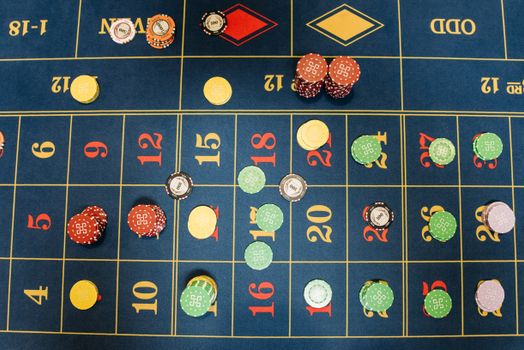
Casino games, lotteries, and sports betting are designed to favor the house or operator in the long run. The concept known as the "house edge" ensures that, statistically, the casino will always have an advantage. For example, the house edge in American roulette is 5.26%, meaning for every $100 bet, the expected average loss is $5.26. Slot machines, the most popular casino game worldwide, have an average return-to-player (RTP) ranging from 85% to 98%. This means that, on average, players lose between 2% and 15% of their wagers over time.
According to a 2022 report by the American Gaming Association, casinos in the United States generated a record $60.4 billion in gross gaming revenue. The consistent profitability of casinos demonstrates that the odds are stacked against players over time, making gambling an unreliable income source.
Myth 2: Certain Games or Machines Are "Due" for a Win
Many gamblers believe in the concept of a "hot" or "cold" streak—thinking that a slot machine, roulette wheel, or lottery ticket is "due" for a win after a series of losses. This is commonly known as the "Gambler’s Fallacy."
In reality, most casino games are based on random number generation or independent probabilities. For example, a slot machine does not remember past spins; each pull is a separate event with the same odds, regardless of what happened before. In roulette, the chance of a red or black outcome remains the same on each spin, even if red has appeared ten times in a row. The belief that outcomes are influenced by previous results is a classic misunderstanding of probability.
The UK Gambling Commission found in a 2021 survey that 38% of regular gamblers believed in the idea of "hot" machines or lucky streaks, highlighting how widespread this misconception remains despite clear evidence to the contrary.
Myth 3: Skill Can Always Overcome the Odds in Gambling
While some games, such as poker and sports betting, do involve elements of skill, most forms of gambling are primarily games of chance. This is especially true for slot machines, roulette, and lotteries. In these games, no amount of strategy or expertise can change the fundamental odds.
Even in games where skill plays a role, such as blackjack or poker, the advantage for skilled players is often marginal and can be offset by the rake (the casino’s fee) or by mistakes made under pressure. For example, in blackjack, a perfect basic strategy can reduce the house edge to around 0.5%, but the average player’s edge is much lower due to errors.
Here is a comparison of how skill and chance influence popular gambling activities:
| Game | Role of Skill | House Edge / Operator Edge |
|---|---|---|
| Slot Machines | None | 2% - 15% |
| Roulette | None | 2.7% (European), 5.26% (American) |
| Poker | High | Casino takes a rake; skill can overcome |
| Sports Betting | Moderate to High | Bookmaker’s margin; skill impacts success |
| Blackjack | Moderate | 0.5% with perfect strategy |
This table demonstrates that while skill is a factor in certain games, luck and house advantages dominate most gambling outcomes.
Myth 4: Gambling Addiction Is Only a Problem for the Weak-Willed
A damaging misconception is that gambling addiction or problem gambling results from a lack of willpower or moral failing. In reality, gambling disorder is recognized by the American Psychiatric Association as a behavioral addiction, similar to substance use disorders.
Multiple studies have shown that gambling addiction is influenced by genetic, psychological, and environmental factors. The National Council on Problem Gambling estimates that about 2 million adults in the United States (roughly 1% of the adult population) meet criteria for severe gambling problems, with another 4-6 million (2-3%) experiencing mild or moderate problems.
Brain imaging studies have revealed that gambling can activate the brain’s reward system in a way similar to drugs or alcohol, making it difficult for individuals to control their urges. Factors such as stress, trauma, or exposure to gambling at a young age can increase the risk of developing a problem.
Stigma associated with gambling addiction often prevents individuals from seeking help. Yet, recognizing gambling disorder as a health issue—not a personal failing—can encourage more effective prevention and treatment.
Myth 5: Online Gambling Is More Dangerous Than Land-Based Gambling
The rise of online gambling has sparked debate about its risks, with many believing that digital platforms are inherently more dangerous than traditional casinos. While online gambling does present unique risks, such as easy access and anonymity, research does not support the idea that it is universally more harmful.
A comprehensive study published in the journal "Addiction" in 2020 found that the prevalence of gambling problems is influenced more by individual behavior, game type, and frequency of play than by the platform itself. For instance, rapid-play games like online slots can encourage binge gambling, but similar risks exist in land-based venues.
Both online and offline gambling can lead to harm if not engaged with responsibly. However, online platforms often have more advanced tools for harm reduction, such as self-exclusion features, spending limits, and real-time activity tracking. The UK’s Gambling Commission mandates that licensed online operators provide these tools, while many land-based venues are slower to implement similar safeguards.
Myth 6: Casinos Can Rig Games to Prevent Payouts
A persistent suspicion among some players is that casinos (especially online ones) can manipulate games to avoid paying out big wins. While rogue operators do exist, most licensed and regulated casinos are subject to strict oversight to ensure fair play.
For example, in the United States, casino games must use certified random number generators (RNGs) and undergo regular auditing by state gaming commissions. Online casinos in regulated markets must meet similar standards and are often monitored by independent testing agencies such as eCOGRA or GLI. In the UK, for instance, all licensed online operators must comply with fairness requirements set by the Gambling Commission, including regular audits and transparency of payout rates.
It is important for players to choose licensed, reputable operators to ensure fair gaming. Unlicensed or offshore sites may not adhere to these standards and can pose real risks.
Final Thoughts on Dispelling Gambling Myths
Misconceptions about gambling can lead to unrealistic expectations, risky behaviors, and harmful stigmas. By understanding the realities—such as the mathematical edge enjoyed by casinos, the randomness of most games, the complex nature of gambling addiction, and the role of regulation—players and society as a whole can make more informed, responsible choices.
Gambling should be seen as entertainment, not a path to riches or a measure of personal worth. Recognizing and challenging these common myths is a crucial step toward safer, more enjoyable gaming experiences and better support for those who need help.