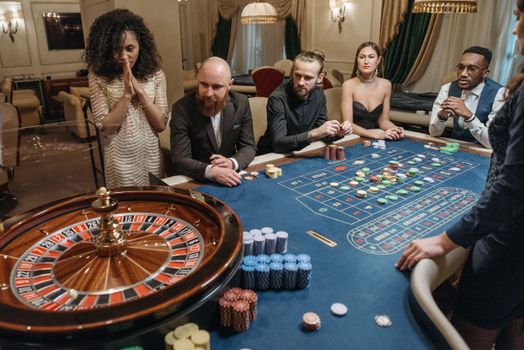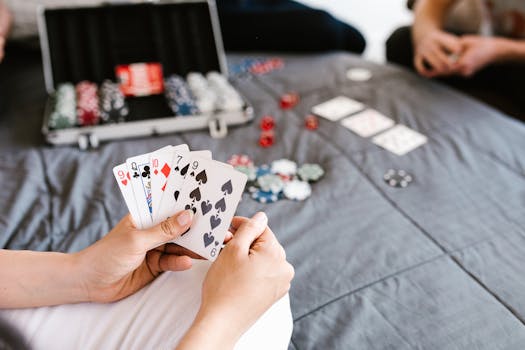
Poker is often described as a game of skill, luck, and mathematics. Yet beneath the surface, another powerful force shapes the outcome of every hand: psychological warfare. The ability to read, manipulate, and outthink opponents has turned poker tables into battlegrounds where wits clash as fiercely as cards. In this exploration, we dive deep into the psychological tactics, mental endurance, and subtle mind games that define the true nature of competitive poker.
The Subtle Art of Bluffing: More Than Just a Lie
Bluffing is the most iconic psychological tactic in poker, but it’s far from a simple act of deception. At its core, bluffing leverages human psychology—anticipating how opponents interpret behavior, betting patterns, and timing. According to a 2020 study from the University of Alberta, skilled players bluff with a frequency of 12-20% in professional tournaments, carefully calibrating their moves based on opponents’ tendencies.
A successful bluff involves:
- Reading the table: Observing which players are risk-averse or aggressive. - Timing: Choosing moments when the story you tell with your bets is believable. - Consistency: Ensuring your betting behavior matches the hand you’re pretending to hold.For instance, poker legend Daniel Negreanu is famous for his “speech play” and expressive bluffs, often engaging opponents in conversation to provoke emotional reactions and uncover tells. The best bluffs often work not because the bluffer is a great actor, but because the opponent’s mind fills in the gaps, doubting their own perceptions.
.png)
Tells and Reverse Tells: Reading Minds at the Table
“Tells” are involuntary cues—gestures, facial expressions, or shifts in behavior—that reveal information about a player’s hand. A 2016 MIT study found that professional players can detect and interpret tells with 70% accuracy, while amateurs recognize them only 30% of the time. These subconscious signals can quickly turn the tide in high-stakes games.
Common tells include:
- Rapid breathing or hand tremors (often indicating a strong hand) - Sudden stillness (sometimes a bluff) - Eye contact patterns (avoiding eye contact can signal weakness)Yet, as the game evolves, so does the psychology. “Reverse tells” are deliberate attempts to mislead, such as feigning nervousness to suggest a strong hand or acting overly confident with a weak one. Legendary player Phil Ivey is known for his “stoic stare,” making him nearly unreadable.
Professional players spend years perfecting their ability to mask their own tells while decoding others’, turning every hand into a psychological duel.
The Power of Table Image: Shaping Opponent Behavior
Your “table image” is the reputation you build during play. Are you perceived as tight and cautious, or wild and unpredictable? Table image is a psychological weapon, influencing how opponents react to your bets.
For example, if you’ve established a tight image—rarely playing hands and folding often—your big bets are more likely to be respected. Conversely, if you’ve been caught bluffing repeatedly, your value bets may attract more calls from suspicious players. The legendary poker pro Doyle Brunson famously shifted his table image throughout tournaments, sometimes playing loose to set up bigger pots later.
Consider the following comparison of table images and their effects:
| Table Image | Typical Behavior | Opponent Reaction | Strategic Advantage |
|---|---|---|---|
| Tight-Aggressive | Plays fewer hands, bets big when involved | Respectful, folds often to big bets | Can bluff more successfully |
| Loose-Aggressive | Plays many hands, bets frequently | Suspicious, calls more often | Can extract value with strong hands |
| Passive | Calls often, rarely raises | Attempts to bully, bets more | Can trap with premium hands |
Mastering table image requires self-awareness and adaptability, as well as acute observation of how your actions are perceived.
Emotional Control: The Battle Within
Poker’s psychological warfare is not only waged against others but also within oneself. Emotional control and mental endurance are critical, especially during long sessions or after a devastating loss—a phenomenon known as “tilt.”
A 2018 survey of over 1,000 professional poker players revealed that 62% cited emotional control as their most valuable skill. Moments of frustration, anger, or overconfidence can cloud judgment and lead to costly mistakes. This is why elite players incorporate mental training techniques used by athletes and chess grandmasters:
- Mindfulness meditation to increase focus and reduce stress - Deep breathing to calm nerves before big decisions - Pre-session routines to establish mental preparednessPhil Hellmuth, known as the “Poker Brat,” has famously struggled with tilt, yet his record 16 World Series of Poker bracelets are a testament to the importance of regaining composure and adapting strategies mid-game.
Information Management and Deception: The Long Game
Beyond bluffing and table image, poker’s psychological warfare involves a constant battle over information—what you know, what you reveal, and what you conceal. In both live and online poker, players engage in multi-level thinking: “What does my opponent think I have? What do they think I think they have?”
A classic example is the “value bet,” where you bet with a strong hand, hoping to be called by a weaker hand. But if you suspect your opponent is on a draw, you might “slow play,” betting weakly to keep them in the pot.
Online poker, with its lack of physical tells, intensifies this aspect. Players rely on betting patterns, timing tells (how quickly someone acts), and chat behavior. Data from PokerStars shows that in online play, players who analyze opponent behavior and adjust their strategies win 22% more on average than those who stick rigidly to their own game.
Psychological Warfare in Tournament vs. Cash Games
The psychological dynamics of poker shift dramatically between tournament and cash game settings. In tournaments, the pressure escalates as blinds increase and players are eliminated, leading to more risk-taking and emotional swings. In cash games, the pace is steadier, and players can rebuy after losses, which can either dull or intensify psychological strategies.
In tournaments, psychological warfare often centers on survival and exploiting short-stacked opponents. In cash games, players may engage in long-term manipulation, setting up opponents for big bluffs or traps over hours or even days.
A 2021 analysis by CardPlayer Magazine found:
- Tournament players reported higher stress levels (average 7.2/10) compared to cash game players (5.4/10). - Bluff frequency was higher in tournaments (18%) than in cash games (13%), as players sought to maximize chip stacks and assert dominance.Understanding these distinctions is vital for anyone hoping to thrive in either format.
Final Thoughts: The Enduring Power of Poker Psychology
Poker’s enduring appeal lies in its unique blend of chance, skill, and psychological combat. While the cards you’re dealt shape your options, the psychological warfare—bluffing, reading tells, shaping table image, and mastering your own emotions—often determines who walks away a winner. Whether at a smoky casino table in Las Vegas or a virtual felt online, the most successful players are those who treat each hand as a psychological puzzle, always seeking to stay one step ahead in the mental game.