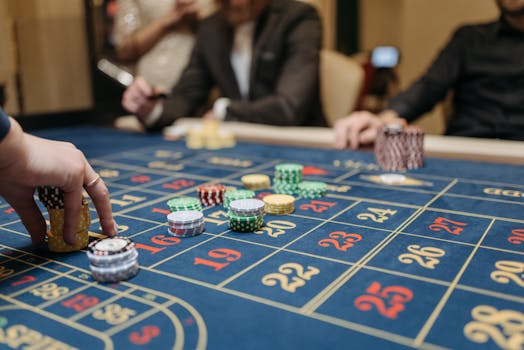
The Societal Impact of High Stakes Gambling
High stakes gambling, involving large monetary bets, has been both a historical and cultural phenomenon with significant societal implications. This form of gambling presents a range of effects that span economic contributions and social challenges, necessitating a balanced approach to regulation and public awareness.
Economic Implications
.png)
High stakes gambling is known for its substantial economic impact. Casinos and other gambling establishments often act as major economic drivers in regions where alternatives are limited, creating jobs and boosting local economies through tourism. These establishments attract high rollers whose spending can lead to increased revenue for communities.
However, the economic advantages come with potential downsides. Problem gambling can lead to severe financial distress for individuals, which extends to their families and communities. The consequences, such as bankruptcy, not only impact the gamblers but also the broader economic health of their communities. Furthermore, while some areas may benefit financially from gambling, others might suffer as funds are diverted from other business investments.
Social Consequences
On the social front, high stakes gambling offers both positive and negative outcomes. It provides entertainment and a communal space where people can gather and interact. Yet, it also poses serious risks of addiction, which can devastate gamblers and their close connections. The pressures of significant gambling debts can lead to stress, mental health issues, and deteriorating relationships.
The cycle of loss and the desperation to recoup losses can exacerbate gambling behaviors, leading to further financial and emotional strain. Additionally, the presence of high stakes gambling can attract criminal activities, potentially increasing crime rates around gambling venues.
Regulatory Challenges
Regulating high stakes gambling presents a complex challenge for governments. Effective regulation can alleviate some negative impacts by setting betting limits, enforcing age restrictions, and providing resources for addiction treatment. However, excessive regulation might suppress the economic benefits or drive gambling activities underground, making them harder to monitor and control.
Cultural Perspectives
The perception of gambling varies widely across different cultures and is influenced by societal values and historical contexts. In some societies, gambling is viewed as a benign leisure activity, while in others, it is morally or religiously opposed. These cultural views significantly affect both the regulation of high stakes gambling and its societal impact.
Conclusion
High stakes gambling has multifaceted effects on society, encompassing economic benefits and social risks. Policymakers must strive for a balance that mitigates the negative aspects such as addiction and financial instability while enhancing the positive impacts like economic stimulation and community entertainment. This balance requires thoughtful regulation, increased public awareness of gambling risks, and robust support systems for those affected by gambling addiction. By addressing these elements, society can better manage the complexities of high stakes gambling and its broad implications.