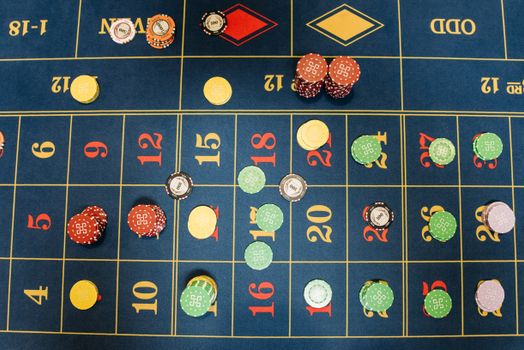
The Historic Link between Gambling and Entertainment: A Journey Through Time
Gambling and entertainment have shared a dynamic and intertwined history, stretching back thousands of years and touching nearly every major civilization. From the bustling amphitheaters of Ancient Rome to the glitzy casinos of modern-day Las Vegas, gambling has consistently evolved alongside humanity’s ever-changing forms of amusement. But why has gambling remained such an enduring aspect of entertainment, and how have societal attitudes shaped this ongoing relationship? In this article, we’ll explore the deep-rooted connections between gambling and entertainment, analyze their mutual evolution, and see how these worlds continue to influence one another today.
Gambling in the Arenas: Ancient Spectacles and Social Gatherings
Long before the first playing cards or slot machines, gambling was already a popular pastime woven into the fabric of public entertainment. Historical records show that as early as 3000 BCE, the Mesopotamians used six-sided dice, and ancient Egyptians played games like Senet, often wagering on the outcome. However, it was during the Roman Empire that the fusion of gambling and entertainment reached new heights.
In the grand arenas of Rome, citizens gathered not only to watch chariot races, gladiatorial combats, and theatrical performances but also to bet on their favorite competitors. Gambling on the outcome of these spectacles became a communal activity, with wagers placed openly among spectators. According to historians, betting on chariot races was so widespread that Emperor Augustus once lamented the “gambling mania” that gripped the Roman people.
.png)
The Greeks, too, embraced gambling as a social and cultural pastime. The Olympic Games, first held in 776 BCE, attracted not just athletes and spectators but also gamblers eager to stake money on the victors. Gambling became a form of interactive entertainment, allowing audiences to become emotionally and financially invested in the spectacles they watched.
The Rise of Gambling Halls and Theatres: Entertainment Goes Indoors
As societies developed, so did their venues for entertainment. The medieval period saw the emergence of gambling houses and taverns, where people gathered for music, dancing, drinking, and games of chance. By the Renaissance, dedicated gambling halls began to appear in cities like Venice, where the famous Ridotto opened in 1638. This establishment is often cited as the world’s first government-sanctioned casino, offering a combination of gambling, music, and socializing under one roof.
In 18th-century England, gambling was a staple of both private parties and public events. Theatres often featured side-rooms for card games and betting, while coffeehouses and gentlemen’s clubs became hotspots for wagers on everything from chess matches to political outcomes. In France, the Palais Royal became a celebrated center for gambling and entertainment, attracting people from all walks of life to its lavish halls.
The evolution of these venues reflects a broader societal trend: entertainment was no longer passive. Audiences wanted to participate, to test their luck and skill, and to experience the thrill of risk as part of their leisure activities.
Gambling’s Golden Age: Vaudeville, Casinos, and Celebrity Culture
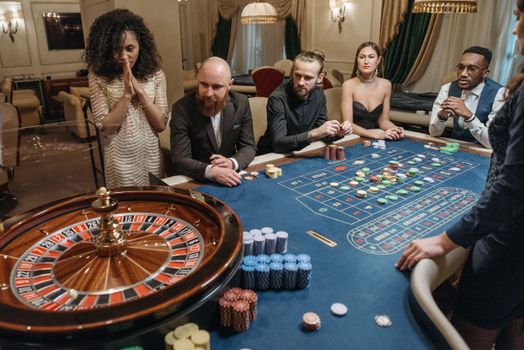
By the late 19th and early 20th centuries, gambling and entertainment were virtually inseparable in many parts of the world. The rise of vaudeville—variety shows featuring music, comedy, and dance—often coincided with the opening of casinos and gaming halls. In the United States, cities like New Orleans, San Francisco, and eventually Las Vegas became synonymous with an exciting blend of gambling and live entertainment.
The opening of the Flamingo Hotel & Casino in Las Vegas in 1946 marked a turning point. Not only did it offer an array of gambling options, but it also featured headlining performances from stars like Frank Sinatra and Dean Martin. This fusion of celebrity culture and gambling created an irresistible allure, drawing millions of tourists eager to experience the glamour and excitement.
By the 1950s, Las Vegas had solidified its reputation as an entertainment capital. In 1955, the city welcomed over 8 million visitors—a staggering number for the time—many of whom came for both the gaming tables and the famous stage shows. This trend has only accelerated; today, the Las Vegas Strip attracts over 42 million visitors annually, generating more than $6.5 billion in gaming revenue in 2022 alone.
Modern Synergy: Online Gaming and Multimedia Experiences
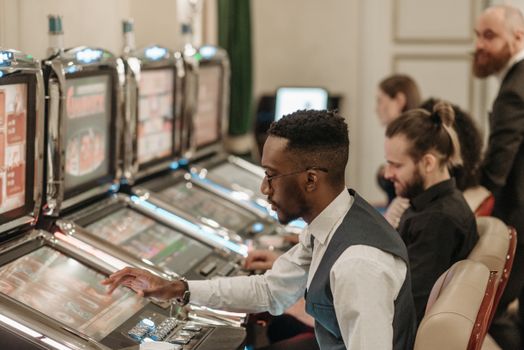
The relationship between gambling and entertainment has only grown more complex in the digital age. Advances in technology have given rise to online casinos, sports betting platforms, and social gaming apps, allowing people to enjoy gambling from the comfort of their own homes. In 2023, the global online gambling market was valued at over $95 billion, with projections suggesting it could surpass $150 billion by 2030.
One of the most significant trends is the gamification of entertainment. Online casino games now feature cinematic graphics, story-driven gameplay, and interactive social elements, blurring the lines between traditional gaming and gambling. Esports betting has emerged as a major industry, with fans wagering on live-streamed video game tournaments watched by millions.
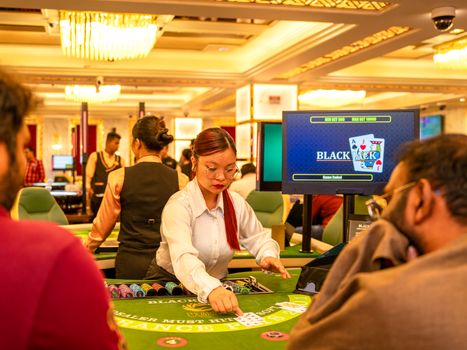
Live dealer games—where players interact with real dealers via video stream—have further bridged the gap between physical and digital entertainment. Meanwhile, partnerships between gambling companies and entertainment brands (such as blockbuster movies or sports leagues) have created themed slot machines and betting experiences that appeal to fans of both worlds.
To illustrate the evolution and diversification of gambling as entertainment, consider the following comparative overview:
| Era | Main Entertainment Venues | Popular Gambling Activities | Audience Participation |
|---|---|---|---|
| Ancient Rome & Greece | Arenas, amphitheaters | Chariot racing, dice games, Olympic betting | Live, communal betting |
| Renaissance & Enlightenment | Gambling halls, theaters, salons | Card games, lotteries, chess wagers | Social, semi-private |
| 19th-20th Century | Vaudeville theaters, casinos | Roulette, poker, slot machines | Public, mass entertainment |
| 21st Century | Online platforms, live-stream events | Online slots, esports betting, live dealer games | Global, interactive, digital |
Gambling in Popular Culture: From Movies to Music
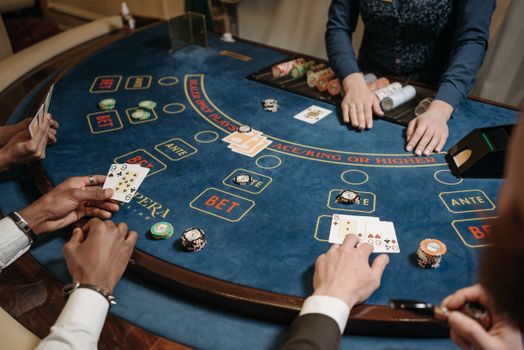
The enduring bond between gambling and entertainment is perhaps most visible in popular culture. Films like "Casino" (1995), "Ocean’s Eleven" (2001), and "Rounders" (1998) have brought the excitement and drama of gambling to the big screen, often glamorizing the lifestyle and capturing the imagination of audiences worldwide.
Music has followed a similar trajectory. From Elvis Presley’s “Viva Las Vegas” to Lady Gaga’s “Poker Face,” gambling themes have been a recurring motif in popular songs for decades. The symbolism of risk, luck, and reward resonates with listeners, reinforcing the cultural significance of gambling as both a metaphor and a literal pastime.
Television has also played a crucial role. Reality shows like "World Series of Poker" and "High Stakes Poker" have turned skilled gamblers into celebrities, while game shows such as "Deal or No Deal" tap into the same thrill of chance that casino games provide. These entertainment formats not only reflect society’s fascination with gambling, but also actively shape public perceptions and trends.
The Social Impact: Community, Charity, and Controversy
While gambling has brought excitement and innovation to the world of entertainment, it has also sparked important debates about its social impact. On the positive side, gambling events have often served as community gatherings and fundraising opportunities. Charity poker tournaments, bingo nights, and raffles are common fixtures in towns across the globe, generating billions of dollars for good causes.
For example, the UK’s National Lottery has awarded over £43 billion to charitable projects since its inception in 1994, funding everything from local sports teams to major cultural institutions. In the US, state lotteries contribute an estimated $21 billion annually to education and public services.
However, the intersection of gambling and entertainment is not without controversy. Concerns about problem gambling, addiction, and the normalization of betting behaviors have led to calls for greater regulation and public awareness. Studies show that around 2% of adults worldwide suffer from gambling disorder, highlighting the need for responsible gaming initiatives and support services.
Final Reflections: The Everlasting Appeal of Gambling as Entertainment
The historic link between gambling and entertainment is a testament to humanity’s enduring appetite for risk, reward, and social engagement. From ancient coliseums to digital casinos, gambling has continually reinvented itself to suit new forms of amusement and technology. It has enriched culture, fueled economies, and brought people together in ways few other pastimes can match.
Yet, as gambling becomes ever more accessible and intertwined with mainstream entertainment, it is vital to balance its benefits with a commitment to responsibility and inclusivity. Whether you enjoy the suspense of a poker hand or the spectacle of a grand casino show, the story of gambling and entertainment is still being written—and, if history is any guide, it will remain a central chapter in our collective experience for years to come.