Gambling and popular music have always shared an intriguing relationship. From the smoky backrooms of early jazz clubs to the glittering stages of Las Vegas and the streaming playlists of today, the allure of risk, luck, and fortune has inspired generations of songwriters and performers. The influence of gambling on popular music goes far beyond mere lyrical references — it shapes entire genres, informs iconic imagery, and reflects deep-seated cultural attitudes toward chance and fate. This article explores how gambling has woven itself into the fabric of popular music, highlighting its impact on creativity, genre development, and social perception.
Gambling as a Muse: How Risk Inspires Songwriters
The gambling motif has been a wellspring of inspiration for musicians for decades. Songwriters are drawn to the world of high stakes, suspenseful decisions, and the unpredictable outcomes that mirror life itself. The language of gambling — bets, odds, luck, losing and winning — provides a rich metaphorical palette for expressing emotional highs and lows.
Classic songs like Kenny Rogers' "The Gambler" (1978), with its memorable advice to "know when to hold ‘em, know when to fold ‘em," use gambling as a metaphor for navigating life’s uncertainties. The song reached No. 1 on the Billboard Country chart and crossed over to the pop charts, illustrating the universal resonance of the gambling theme.
.png)
Blues and jazz musicians often referenced gambling in their work, reflecting the reality of their audiences. For example, Mississippi John Hurt’s "Stack O’ Lee" (1928) and Ray Charles’s "Blackjack" (1958) both use gambling as central narrative elements. These songs often used the motif of a card game or dice roll to symbolize fate, choice, and consequence.
Even in the modern era, artists like Lady Gaga with "Poker Face" (2008) — a global hit with over 14 million copies sold worldwide — continue to tap into gambling language to express themes of love, deception, and identity. The prevalence of gambling references in song titles and lyrics demonstrates its persistent role as a creative stimulus in popular music.
Genres and Scenes: Where Gambling and Music Intersect
Different musical genres have had distinct relationships with gambling, often shaped by the social environments where they developed. Jazz, blues, country, and rock ‘n’ roll each reflect unique facets of gambling culture.
Jazz and blues, born in the bars and clubs of early 20th-century America, were often performed in venues that also operated as gambling dens. The improvisational nature of jazz itself mirrors the risk-taking inherent in betting. For instance, Louis Armstrong’s "Ace in the Hole" (1925) and Fats Waller’s "A Handful of Keys" (1929) use gambling lingo as both literal and metaphorical devices.
Country music, especially from the American South, frequently features gambling stories. Songs like "Ramblin’ Gamblin’ Man" by Bob Seger (1969) and "House of Cards" by Mary Chapin Carpenter (1994) reflect the genre's storytelling tradition, using gamblers as archetypes for freedom, recklessness, and redemption.
Rock and roll’s rebellious spirit also found a natural kinship with the thrill of risk. The Rolling Stones’ "Tumbling Dice" (1972) and Motörhead’s "Ace of Spades" (1980) are iconic examples, each channeling the excitement and peril of betting into their sound and lyrics.
The Las Vegas entertainment scene is perhaps the most visible example of the marriage between gambling and music. Since the mid-20th century, Vegas casinos have employed legendary performers — from Frank Sinatra and Elvis Presley to Celine Dion and Britney Spears — to draw crowds. The city’s neon-lit image has become shorthand for both high-stakes gambling and glamorous musical entertainment.
Iconic Songs and Artists: A Statistical Overview
The influence of gambling on popular music is quantifiable. Numerous chart-topping songs and albums feature gambling themes, and some artists are closely associated with the imagery of risk and chance.
Below is a comparative table showcasing some of the most prominent gambling-themed songs, their release dates, and their cultural impact:
| Song Title | Artist | Year Released | Chart Performance | Notable Facts |
|---|---|---|---|---|
| The Gambler | Kenny Rogers | 1978 | #1 Country, Top 20 Pop | Grammy winner; inspired TV movies |
| Poker Face | Lady Gaga | 2008 | #1 in 20+ countries | 14M+ copies sold worldwide |
| Ace of Spades | Motörhead | 1980 | UK Top 20 | Became a heavy metal anthem |
| Tumbling Dice | The Rolling Stones | 1972 | US Top 10 | Signature song in Stones’ live sets |
| Viva Las Vegas | Elvis Presley | 1964 | US Top 30 | Synonymous with Vegas culture |
| Luck Be a Lady | Frank Sinatra | 1965 | Popular standard | Featured in "Guys and Dolls" musical |
This table highlights how gambling themes have helped create enduring hits across genres and decades. The commercial and critical success of these songs underscores the theme’s wide appeal.
Gambling Imagery: Shaping Music Videos, Album Art, and Stage Shows
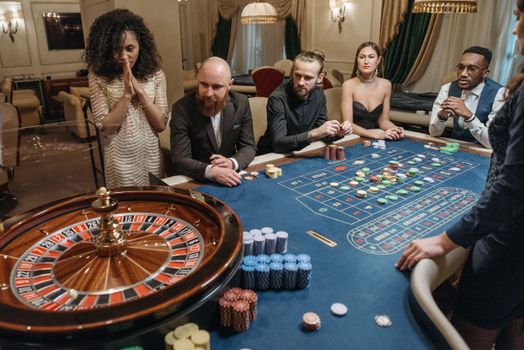
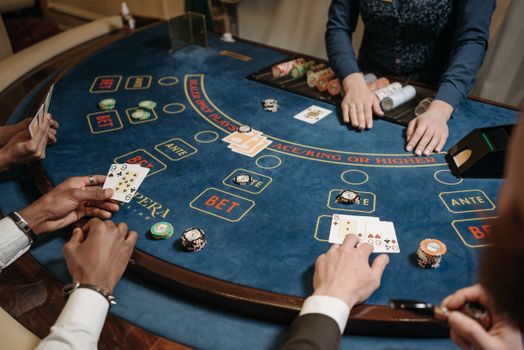
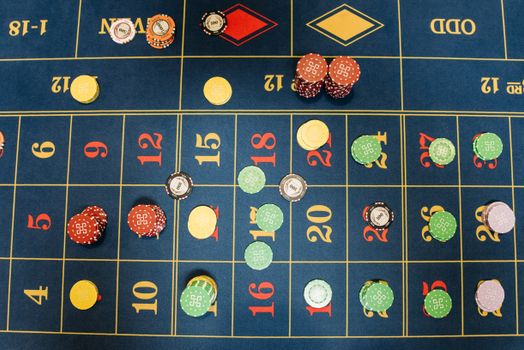
Beyond lyrics, gambling’s influence is evident in the visual presentation of popular music. Music videos, album covers, and live performances often use the iconography of cards, dice, roulette wheels, and neon signs to evoke excitement and drama.
Lady Gaga’s "Poker Face" video features casino tables, poker chips, and theatrical card games, visually reinforcing the song’s central metaphor. Motörhead’s "Ace of Spades" album cover displays band members in a Wild West gambling scene, amplifying the outlaw persona the band cultivated.
Las Vegas residencies — from Liberace to Elton John — have fused gambling’s glitz with musical spectacle, with stages adorned in casino motifs and performers donning flashy, high-roller costumes. In hip-hop videos, stacks of cash, card tables, and luxury casino backdrops symbolize success and risk-taking.
The use of gambling imagery in music is so pervasive that it has helped define the public’s perception of both the music and gambling industries. According to a 2017 Nielsen Music study, 18% of surveyed music videos in the pop and hip-hop genres contained some form of gambling-related imagery, underscoring how frequently these worlds collide.
Gambling Themes: Social Commentary and Cultural Reflection
Gambling songs often serve as commentary on broader social and economic realities. During periods of economic hardship, such as the Great Depression or the 2008 financial crisis, references to gambling and risk-taking in music tend to spike. Researchers at the University of Liverpool found that between 1929 and 1933, the number of popular songs referencing gambling doubled, reflecting the public’s anxiety and fascination with fortune.
Songs like Bruce Springsteen’s "Atlantic City" (1982) use gambling as a metaphor for the hope and desperation of those seeking a better life. The lyrics, "Everything dies, baby, that’s a fact / But maybe everything that dies someday comes back," echo the gambler’s eternal optimism despite the odds.
Hip-hop, with its focus on hustle and risk, often uses gambling as a symbol of striving for success against adversity. Jay-Z’s "Can’t Knock the Hustle" (1996) and Nas’s "Life’s a Bitch" (1994) reference the risks and rewards of both gambling and street life, blending personal narrative with broader cultural themes.
These examples show that gambling’s presence in popular music is not just decorative. It often serves as a mirror for society’s attitudes toward risk, reward, and the pursuit of the American Dream.
The Digital Age: Gambling and Music in the 21st Century
The relationship between gambling and popular music has evolved in the digital era. Online casinos and betting apps now sponsor musical events and festivals, while artists incorporate gambling themes into viral campaigns and social media content.
Streaming platforms like Spotify and Apple Music offer curated playlists with titles such as "Casino Night" or "Vegas Vibes," featuring songs that evoke the thrill of gambling. In 2022, Spotify reported a 27% increase in streams for gambling-themed playlists during major sporting events like the Super Bowl and World Series.
Music has also become a powerful promotional tool for the gambling industry. Licensing deals between artists and casinos are common, and some musicians create exclusive tracks or performances for casino launches. In Asia, K-pop stars have been hired to headline casino openings, blending music and gambling cultures for new audiences.
At the same time, some critics argue that the glamorization of gambling in music can contribute to problematic behavior, especially among younger listeners. According to a 2021 study by the UK Gambling Commission, 12% of teenagers who listened to music with gambling references reported increased interest in betting activities.
Final Thoughts on the Influence of Gambling on Popular Music
Gambling’s influence on popular music is undeniable and multifaceted. From serving as a metaphor for life’s uncertainties to shaping the sound, look, and attitude of entire genres, the theme of risk and reward has left a lasting mark on the music world. Chart-topping songs, legendary performances, and iconic imagery all attest to the enduring appeal of the gambler’s spirit.
As both industries continue to evolve in the digital age, their relationship is likely to grow even more complex. Whether through metaphor, direct reference, or visual spectacle, gambling will remain a powerful influence on popular music — reflecting the hopes, dreams, and daredevil spirit that define both art forms.