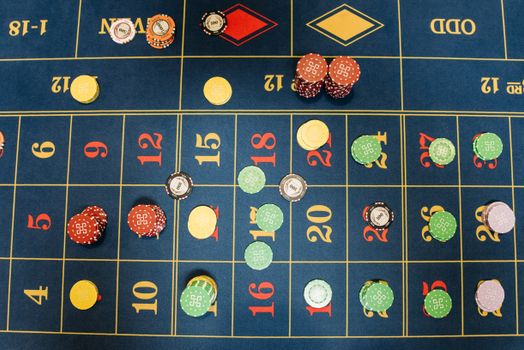
Gambling has woven itself into the fabric of human society for millennia, oscillating between acceptance and stigma in various cultures and historical periods. Today, as legal landscapes and social attitudes shift with unprecedented speed, the story of gambling is more nuanced than ever. Understanding the social history of gambling—how it has been perceived, regulated, and integrated into societies—offers a fascinating lens on human values, anxieties, and the quest for excitement. This article explores the complex dance between stigma and acceptance that has shaped gambling’s place in the world, from ancient rituals to the digital age.
Ancient Origins: Rituals, Respect, and Reproach
Gambling is not a modern invention. Archaeological evidence suggests that games of chance date back at least 5,000 years. The oldest known dice, carved from animal bones, were found in Mesopotamia and date to around 3,000 BCE. In ancient China, keno-like lottery games helped fund the construction of the Great Wall, while ancient Greek and Roman societies enjoyed betting on gladiator matches and chariot races.
Despite widespread participation, attitudes toward gambling in these early societies were ambivalent. In some cultures, gambling was linked to fate, divination, or the favor of the gods. The Greeks saw dice games as a way to divine the will of the deities, and Native American tribes used gambling in spiritual ceremonies and to resolve disputes.
.png)
Still, moral and legal condemnation was never far behind. The Roman Senate, for example, frequently banned gambling, associating it with social decay and corruption. Ancient Hindu texts, such as the Mahabharata, warn of the perils of dice, suggesting that even early societies recognized gambling’s double-edged nature.
Medieval and Early Modern Europe: Vice, Law, and the Social Order
The Middle Ages in Europe brought both increased regulation and enduring suspicion. Christian doctrine, which dominated medieval Europe, often condemned gambling as a sin linked to greed and idleness. Canon law prohibited church members from participating in games of chance, and secular rulers imposed fines or corporal punishment on gamblers.
Yet, gambling never disappeared. Lotteries were used by European monarchies to raise funds for public works. England’s first state lottery was launched in 1569 to finance the repair of harbors, while France’s national lottery emerged in the 18th century. Gambling houses thrived in cities like Venice, where the Ridotto, opened in 1638, became one of the world’s first legal casinos.
This era’s shifting acceptability was closely tied to class and social order. Nobility and wealthy merchants often gambled openly, while the lower classes faced stricter regulation. Gambling could be a symbol of status or a perceived threat to societal harmony, depending on who was playing and where.
The Rise of Pathology: Victorian Morality and the Birth of 'Problem Gambling'
With the rise of industrialization in the 19th century came new anxieties about social disorder and moral decline. Victorian England, in particular, saw a tightening of anti-gambling laws, spurred by a growing belief that gambling was a vice corrupting the working classes.
The concept of "problem gambling" began to emerge during this period. Medical and psychological literature started to describe compulsive gambling as a form of addiction or moral weakness. By the late 1800s, the language of pathology had taken root; gambling was no longer just a sin, but a threat to both individuals and society.
Legislation followed suit. The Betting Act of 1853 in Britain made it illegal to operate betting houses. In the United States, the moral panic around gambling led to the closure of most state lotteries by 1890. Public campaigns, often led by religious groups, portrayed gambling as a gateway to crime and poverty.
Twentieth Century: From Prohibition to Mainstream Acceptance
The 20th century brought dramatic shifts in both the legality and social perception of gambling. The early decades were defined by prohibition—most forms of gambling were outlawed in the United States by 1910. Yet, social attitudes began to change during the Great Depression. In 1931, Nevada legalized casino gambling as a means to stimulate economic growth, setting the stage for Las Vegas to become the gambling capital of the world.
Lotteries made a comeback, starting with New Hampshire in 1964, and soon spread to 45 states by 2024. Meanwhile, the UK passed the Betting and Gaming Act in 1960, legalizing betting shops and casinos under regulated conditions. By the late 20th century, gambling was increasingly framed as entertainment rather than vice.
This period also saw the emergence of advocacy and support groups, such as Gamblers Anonymous (founded in 1957), reflecting a growing recognition of gambling addiction as a public health issue rather than simply a moral failing.
Modern Era: Globalization, Digitalization, and the New Social Divide
The 21st century has witnessed an explosion in the accessibility and normalization of gambling. Online gambling revenue worldwide exceeded $92 billion in 2023, up from just $20 billion in 2009. Sports betting has been legalized in over 30 U.S. states since 2018, following a landmark Supreme Court decision, while mobile betting apps have made gambling available around the clock.
Despite growing acceptance, stigma persists. A 2021 Pew Research Center survey found that 28% of Americans believe gambling is morally wrong, down from 35% in 2014, but still a significant minority. The divide is often generational and cultural—older adults and more religious communities tend to view gambling with suspicion, while younger people and urban dwellers see it as a routine leisure activity.
To better illustrate the evolving landscape, consider the following comparison table:
| Period | Societal Attitude | Legal Status | Main Forms of Gambling | Key Social Concerns |
|---|---|---|---|---|
| Ancient Civilizations | Ambivalent; ritual and entertainment | Mostly unregulated; some bans | Dice, betting, lotteries | Fate, morality, social order |
| Medieval to Early Modern Europe | Condemned by church, tolerated by elite | Regulated, often banned for lower classes | Lotteries, card games | Class divisions, sin, public disorder |
| Victorian Era | Stigmatized, linked to vice | Widespread bans, strict laws | Betting shops, lotteries (mostly illegal) | Addiction, crime, poverty |
| 20th Century | From prohibition to entertainment | Legalized in many areas, state-run lotteries | Casinos, horse racing, lotteries | Addiction, economic benefit |
| 21st Century | Increasing normalization, some stigma remains | Widely legal, especially online and sports betting | Online casinos, sports betting, mobile apps | Addiction, digital access, youth exposure |
Media, Morality, and the Ongoing Debate
Media representation has played a crucial role in shaping societal attitudes toward gambling. Early 20th-century newspapers ran sensational stories linking gambling to organized crime, reinforcing public fears and justifying strict laws. In contrast, today’s media often glamorizes gambling, with televised poker tournaments and celebrity endorsements of betting apps.
Public health messaging has also evolved. Governments in countries like the UK and Australia now require gambling operators to display warnings and fund addiction treatment programs. In 2022, the UK Gambling Commission reported that 0.3% of adults exhibited problem gambling behaviors, a statistic that has informed ongoing debates about advertising and regulation.
Moral arguments remain central to these debates. Advocates for legalization point to economic benefits—Nevada’s casino industry generated $14.8 billion in revenue in 2022 and supported over 180,000 jobs. Critics warn of rising addiction rates and the disproportionate impact on vulnerable communities.
Shifting Stigma: Acceptance, Advocacy, and Responsible Gambling
The stigma surrounding gambling has not disappeared, but it is changing form. Today, the negative perception is less about gambling itself and more about excessive or irresponsible play. Campaigns such as “When the Fun Stops, Stop” in the UK, and the widespread availability of self-exclusion tools and helplines, reflect a new focus on harm reduction.
Acceptance of gambling is also fostered by its integration into mainstream culture—sports sponsorships, televised tournaments, and even charity fundraisers. Yet, the shadow of stigma lingers, particularly for those who struggle with addiction. A 2020 study in the journal "Addiction" found that 67% of problem gamblers reported feeling ashamed, which can delay seeking help.
Ultimately, the journey from stigma to acceptance is ongoing. As societies continue to grapple with the risks and rewards of gambling, striking a balance between personal freedom, social responsibility, and public health remains a central challenge.
Reflections on the Social History of Gambling
Gambling’s social history is a mirror reflecting broader shifts in moral, economic, and cultural values. From ancient rituals to online casinos, the journey has been marked by cycles of acceptance and condemnation, shaped by religious beliefs, technological change, and evolving ideas about individual responsibility.
Today, as gambling becomes more accessible and visible than ever before, understanding its complex social history is essential for informed debate and policy. Whether viewed as a harmless diversion, a moral failing, or a public health issue, gambling will likely continue to inspire both stigma and acceptance in the years to come.