Throughout history, the intricate dance of diplomacy has often played out in unexpected venues—grand banquets, secret backrooms, and, yes, even at the gambling table. While gambling is commonly associated with recreation and risk, its role in shaping alliances, brokering peace, and even igniting wars is both fascinating and underexplored. In this article, we delve into the captivating intersection between gambling and historic diplomacy, tracing its influence from ancient courts to twentieth-century negotiations. By examining key events, personalities, and the underlying psychology, we reveal how games of chance have at times tipped the scales of global affairs.
The Gambling Table as a Diplomatic Arena
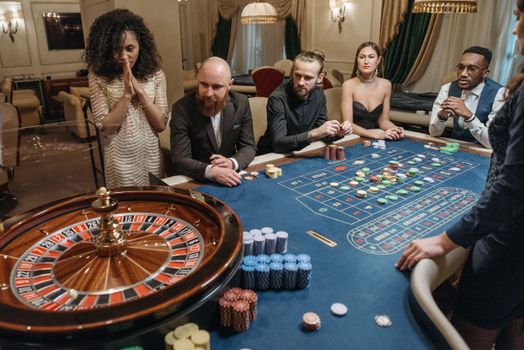
The connection between gambling and diplomacy may seem surprising, but in many cultures, games of chance provided a neutral space for dialogue. Unlike the rigid formality of treaty negotiations, the gambling table encouraged informality, easing tensions and building rapport among rivals.
One striking example comes from the courts of 18th-century Europe. French King Louis XV often held elaborate card games at Versailles, inviting foreign dignitaries to participate. These soirées were more than entertainment; they offered a subtle means for soft diplomacy, enabling the king to gauge intentions, form alliances, or signal favor—all without the constraints of protocol.
.png)
Similarly, in the Ottoman Empire, high-stakes backgammon and chess games at the imperial court were opportunities for sultans and viziers to engage foreign ambassadors. Here, the outcome of a match might influence a trade concession or a military alliance.
The concept was not confined to Europe and the Middle East. In Qing Dynasty China, mahjong and dice games were sometimes used as icebreakers during negotiations with visiting envoys. The shared thrill of risk-taking helped humanize adversaries, opening pathways for dialogue that might otherwise have remained blocked.
Historic Examples: When Gambling Changed the Course of Diplomacy
Throughout history, there are remarkable cases where gambling directly shaped diplomatic outcomes. Consider the Congress of Vienna (1814-1815), convened to redraw Europe's political map after Napoleon’s defeat. Diplomats from across the continent flocked to Vienna—not only for negotiation, but also for the city’s legendary gaming houses.
A notable anecdote involves the British diplomat, Viscount Castlereagh, who leveraged nightly card games to build trust with his Russian and Austrian counterparts. According to historian Adam Zamoyski, informal conversations at the gaming tables were often more productive than daytime sessions, helping to smooth over disputes and foster compromise.
Another famous incident occurred during the peace talks ending the Russo-Turkish War in 1829. Russian General Ivan Paskevich reportedly clinched a vital concession from the Ottoman negotiator during a marathon chess match, using the flow of the game to subtly influence his opponent’s mood and decisions.
These episodes are not isolated. Gambling’s role in diplomacy recurs throughout history, from the poker games that accompanied U.S.-Soviet negotiations during the Cold War, to the friendly bridge tournaments between Churchill, Roosevelt, and their aides at Allied conferences during World War II. In each case, the games provided a stage for psychological maneuvering, trust-building, and sometimes, outright bargaining.
The Psychology of Gambling and Diplomatic Strategy
What makes gambling such an effective tool in diplomacy? The answer lies in the psychology of risk and reward—a force that shapes both games of chance and international relations.
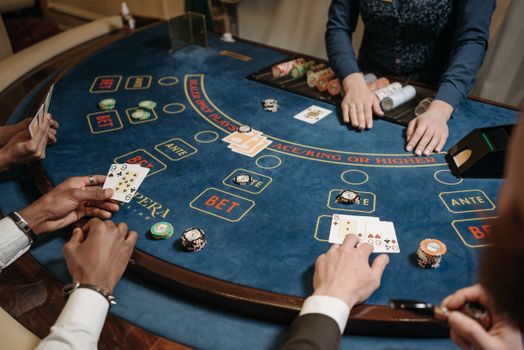
At its core, diplomacy is a high-stakes game. Negotiators must weigh uncertain outcomes, bluff, and read their opponents, much like skilled poker players. Engaging in actual gambling brings these dynamics to the fore, offering diplomats insights into each other’s personalities and risk tolerances.
For instance, a negotiator who plays recklessly might be prone to bold diplomatic moves, while a cautious player could signal a preference for incremental agreements. Observing these behaviors at the table provides valuable intelligence, allowing diplomats to tailor their strategies accordingly.
Moreover, the act of gambling can foster a sense of shared risk. When adversaries place bets together, they experience the emotional highs and lows of uncertainty. This camaraderie, even if fleeting, can humanize opponents and reduce animosity—a critical asset in tense negotiations.
A study by the University of Cambridge found that cooperative gameplay, including gambling, increases oxytocin levels and trust among participants by up to 30%. Although not all diplomatic games involved money, the psychological effects of shared risk and reward were similar.
Comparing Gambling’s Diplomatic Role Across Cultures
While gambling influenced diplomacy globally, its cultural context varied widely. The table below compares how different civilizations integrated gambling into their diplomatic traditions.
| Culture | Popular Game(s) | Diplomatic Context | Notable Example |
|---|---|---|---|
| France (18th-19th c.) | Cards (Whist, Faro) | Court gatherings, treaty negotiations | Louis XV’s Versailles card soirées |
| Ottoman Empire | Backgammon, Chess | Imperial court entertainment, alliance-building | 1829 Russo-Turkish peace talks |
| China (Qing Dynasty) | Mahjong, Dice | Envoy receptions, trade negotiations | Mahjong sessions with European traders |
| United States (20th c.) | Poker, Bridge | Diplomatic summits, informal gatherings | Allied bridge tournaments (WWII) |
| Russia (Imperial & Soviet) | Chess, Poker | Negotiation icebreakers, psychological warfare | Chess during Cold War talks |
This diversity highlights how nations adapted gambling practices to fit their unique diplomatic styles—from the lavish card games of Versailles to the cerebral chess matches favored in Russia.
Risks and Scandals: When Gambling Undermined Diplomacy
Despite its potential as a diplomatic tool, gambling has sometimes backfired spectacularly. High-stakes play could lead to scandal, loss of face, or even diplomatic incidents.
One infamous episode occurred during the 1893 Chicago World’s Fair, where American and foreign officials participated in private poker games. When news leaked of a British envoy losing a small fortune, public outcry in London strained Anglo-American relations, prompting an official apology.
Similarly, in 1907, a German ambassador in Vienna was caught cheating during a high-profile baccarat game with Austro-Hungarian officials. The ensuing scandal soured relations and became a minor diplomatic crisis, illustrating the dangers of mixing games of chance with sensitive negotiations.
Even in the modern era, gambling scandals have erupted at international summits. In 2010, reports surfaced of clandestine poker games among G20 delegates in Toronto, raising questions about propriety and distraction from official business.
These incidents underscore the double-edged nature of gambling in diplomacy: while it can foster trust and camaraderie, it also carries risks of impropriety, corruption, and reputational damage.
Legacy and Modern Echoes of Gambling in Diplomacy
Although formal diplomacy has become more structured in the 21st century, echoes of gambling’s historic role persist. Informal settings—such as golf courses, private clubs, and, occasionally, casinos—remain favored venues for building rapport and broaching difficult topics.
In 2018, reports emerged that U.S. and North Korean officials met privately at a Singapore casino on the eve of the Trump-Kim summit. While the meeting was not strictly a gambling session, the choice of venue symbolized a willingness to embrace informality and shared risk, reminiscent of earlier eras.
Diplomatic training programs sometimes incorporate poker and negotiation games to teach strategy, risk assessment, and psychological insight. The U.S. State Department, for instance, has hosted workshops using poker theory to illustrate negotiation tactics.
The broader lesson endures: the dynamics of chance, risk, and human psychology—central to gambling—remain core elements of diplomacy. As global politics grows ever more complex, understanding these subtle forces is as important as ever.
Final Reflections on Gambling’s Place in Historic Diplomacy
Gambling’s role in historic diplomacy is a testament to the power of informal interactions and shared human experience. From the gilded halls of Versailles to shadowy backrooms of Vienna and beyond, the gaming table has served as both stage and catalyst for some of history’s most consequential decisions.
While not without its risks, the strategic use of gambling in diplomatic contexts provided unique opportunities for trust-building, psychological insight, and, at times, creative problem-solving. As we look to the future, the lessons of the past remind us that sometimes, the greatest breakthroughs occur not in the glare of official ceremony, but in the convivial, unpredictable world of games of chance.