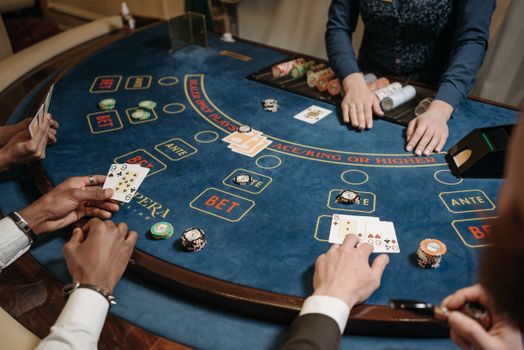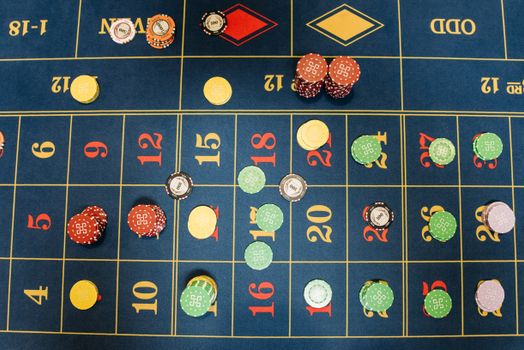
Las Vegas stands as a glittering symbol of entertainment, fortune, and excess. But beneath its neon glow and bustling casino floors lies a rich tapestry of history woven with risk, innovation, and ambition. The city’s transformation from a dusty railroad stop to the “Entertainment Capital of the World” is inseparable from the story of gambling. Understanding the role of gambling in shaping Las Vegas’ history reveals not only how the city grew, but also how it influenced American culture, economy, and law.
The Early Years: From Desert Outpost to Gambling Haven
When Las Vegas was founded in 1905, it was little more than a modest railway town in the Mojave Desert. Its initial growth was slow, limited by water scarcity and an arid climate. However, two pivotal events set Las Vegas on its path to becoming a gambling mecca: the completion of the Hoover Dam in the 1930s and the legalization of gambling in Nevada in 1931.
The dam project brought in thousands of workers, creating a sudden demand for entertainment and leisure. At the same time, Nevada legislators, seeking new sources of revenue during the Great Depression, made the bold move to legalize casino gambling. This decision was a turning point. By 1932, the state had issued more than 100 gambling licenses, and Las Vegas began attracting entrepreneurs and visionaries eager to capitalize on the new law.
.png)
By the late 1930s, small casinos and saloons lined Fremont Street, the city’s main thoroughfare. Early establishments like the Northern Club and the Las Vegas Club introduced slot machines and table games, setting the stage for the city’s future.
The Rise of the Strip: Glamour, Mobsters, and Mega-Resorts
The 1940s and 1950s marked an era of explosive growth and transformation. The opening of the El Rancho Vegas in 1941 introduced the concept of the resort hotel and casino, offering not just gaming but also luxurious accommodations, fine dining, and star-studded entertainment. The model proved wildly successful and was quickly emulated.
Perhaps most famously, the 1946 opening of the Flamingo Hotel by gangster Benjamin “Bugsy” Siegel signaled the arrival of organized crime in Las Vegas. Mob-backed casinos like the Sands, the Desert Inn, and the Riviera soon followed, injecting vast sums of money into the city and elevating its image. These venues attracted Hollywood celebrities and wealthy tourists, giving rise to the era of Rat Pack performances and glamorous nightlife.
By 1954, Las Vegas boasted more than 9,000 hotel rooms and was drawing over 8 million visitors annually. Gambling revenue in Clark County soared from under $10 million in 1940 to more than $200 million by 1960. This period solidified the Las Vegas Strip’s reputation as a unique blend of risk, spectacle, and opulence.
Economic Impact: Gambling as the Engine of Growth
Gambling has been the backbone of Las Vegas’ economy for nearly a century. Today, the Las Vegas metropolitan area is home to more than 150 casinos, employing tens of thousands of workers and generating billions in revenue annually.
According to the Nevada Gaming Control Board, total gaming revenue for Clark County reached $12.7 billion in 2022, accounting for nearly 33% of the city’s total economic output. The casino industry supports a vast network of related businesses, including hotels, restaurants, entertainment venues, and retail shops. In 2023, Las Vegas welcomed over 40 million visitors, with more than 70% citing gaming as a primary reason for their trip.
The table below illustrates the growth of gambling revenue and tourism in Las Vegas over the decades:
| Year | Gaming Revenue (Billion USD) | Annual Visitors (Millions) |
|---|---|---|
| 1960 | 0.2 | 9.2 |
| 1980 | 1.6 | 11.0 |
| 2000 | 7.6 | 35.8 |
| 2022 | 12.7 | 40.8 |
Gambling taxes provide a significant source of state revenue, accounting for nearly 18% of Nevada’s total tax income in 2023. This financial foundation has allowed the city to invest in infrastructure, public services, and cultural attractions.
Social Change and Las Vegas Identity
Gambling didn’t just change the economy of Las Vegas—it transformed its identity and its people. The city became a magnet for those seeking opportunity, adventure, and a fresh start. The industry provided jobs at every level, from cocktail servers and croupiers to entertainers and executives.
As Las Vegas grew, it developed a reputation as a place where anything was possible. The famous slogan “What happens in Vegas, stays in Vegas” encapsulates the city’s spirit of freedom and reinvention. The casino floor became a social equalizer, where high rollers and everyday tourists rubbed shoulders in pursuit of luck.
Las Vegas also became a laboratory for hospitality innovation. The concept of “comping” guests with free drinks, meals, and show tickets originated here. Meanwhile, themed resorts like Caesars Palace and the Mirage pushed the boundaries of spectacle and architecture, setting global trends for the casino industry.
However, gambling also brought social challenges. The city has long grappled with issues such as problem gambling, organized crime, and economic inequality. In response, Las Vegas pioneered responsible gaming programs, introduced strict regulatory oversight, and diversified its economy by expanding into conventions, sports, and family-friendly attractions.
Gambling and Cultural Influence: Las Vegas in American Imagination
Las Vegas’ legacy extends far beyond its city limits. Its unique relationship with gambling has shaped American pop culture, inspiring movies, music, television, and literature. Iconic films like “Casino,” “Ocean’s Eleven,” and “The Hangover” have cemented Las Vegas as a symbol of high stakes, drama, and unpredictability.
The city’s history is intertwined with legendary figures—from Elvis Presley and Frank Sinatra to modern-day poker champions—who found fame on its stages and at its tables. Events like the World Series of Poker, founded in 1970, have helped popularize poker and other casino games worldwide.
Las Vegas has also been a bellwether for changes in gambling legislation and attitudes. Its rise paralleled shifting public perceptions, from early moral panic to mainstream acceptance. The city’s success paved the way for the expansion of legal gambling in other states, fueling the growth of casinos in Atlantic City, tribal lands, and, more recently, online platforms.
Modern Day Las Vegas: Beyond Gambling but Rooted in Luck
While Las Vegas remains synonymous with gambling, the city has evolved into a diverse destination. Today’s Las Vegas boasts world-class dining, luxury shopping, major sporting events, and headline entertainment—yet gambling still underpins its allure.
The past two decades have seen significant transformation. Mega-resorts like Bellagio, Wynn, and Resorts World have raised the bar for luxury and innovation. The city has hosted the Super Bowl, the Formula 1 Las Vegas Grand Prix, and the NHL’s Vegas Golden Knights, further diversifying its appeal.
Despite competition from online gambling and new casino markets worldwide, Las Vegas continues to lead. More than 75% of American adults view casino gambling as acceptable, according to a 2023 Gallup poll—the highest rate ever recorded. The city’s resilience was tested during the COVID-19 pandemic, but gaming revenue rebounded to record highs by 2022, thanks to pent-up demand and savvy adaptation.
Las Vegas’ identity remains rooted in risk, chance, and spectacle. Even as the city reinvents itself, gambling will likely remain at the heart of its story for decades to come.
Reflections on Gambling’s Lasting Impact on Las Vegas
The story of Las Vegas is, in many ways, the story of gambling in America. From humble beginnings as a desert outpost, the city leveraged legalized gaming to fuel economic growth, drive social change, and shape global culture. Gambling transformed Las Vegas into a symbol of possibility, where fortunes can be won—or lost—in an instant.
While the city faces ongoing challenges and evolving competition, its ability to adapt and innovate remains unmatched. Las Vegas stands as a testament to the enduring allure of the gamble, both as a pastime and as a force for transformation.