The Role of Gambling in Famous Movie Scenes: How High Stakes Shape Cinema
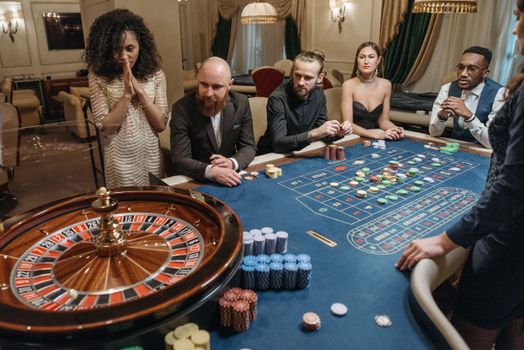
Gambling has long been intertwined with storytelling, weaving suspense, risk, and human drama into the very fabric of cinema. Whether it’s a tense poker showdown in a smoky backroom or a dazzling roulette spin on the glittering floors of Monte Carlo, gambling scenes have provided some of the most memorable moments in film history. But why do directors and screenwriters so often return to the world of cards, chips, and dice? What makes the roll of the dice or the turn of a card so compelling on screen? This article dives deep into the role of gambling in famous movie scenes, exploring how high-stakes games amplify tension, reveal character, and sometimes even change the course of cinematic history.
Why Gambling Scenes Captivate Audiences
The allure of gambling scenes in movies goes beyond the simple mechanics of the games themselves. At their core, these moments are about risk and reward—universal themes that resonate with everyone. A 2022 survey by Statista reported that 32% of Americans had gambled in the last 12 months, underscoring society’s fascination with chance and fortune. Filmmakers tap into this collective intrigue, using gambling as a narrative engine that ratchets up suspense and places characters in situations where everything can change in an instant.
Gambling scenes often serve as pivotal turning points in films. They offer a blend of unpredictability and strategy, making viewers lean forward in their seats. When a character pushes all their chips to the center of the table, it’s not just money at stake—it’s pride, future, and sometimes even life itself. Classic films like "Casino Royale" (2006) and "The Cincinnati Kid" (1965) showcase how a single game can become a microcosm of the entire story, with fortunes and fates decided by the outcome.
.png)
Iconic Gambling Scenes That Made Movie History
Throughout cinema history, several gambling scenes have become legendary, etched into the collective memory of audiences worldwide. These scenes are more than just thrilling—they often define the tone and stakes of their respective films.
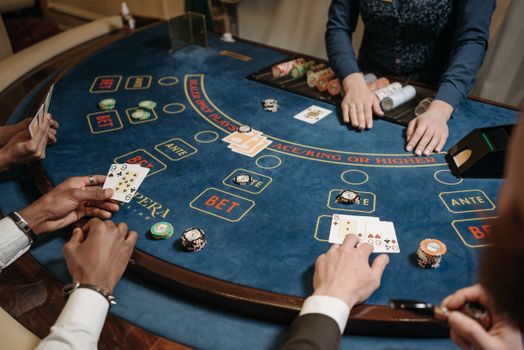
One standout example is the poker showdown in "Casino Royale," where Daniel Craig’s James Bond faces off against Le Chiffre. The game is not just a contest of cards but a battle of wits, deception, and nerve. The tension builds with every bet, culminating in a climactic reveal that determines the fate of nations. According to Box Office Mojo, "Casino Royale" grossed over $600 million globally, with its poker scenes widely credited for reinvigorating the Bond franchise.
Another classic is the Russian Roulette sequence in "The Deer Hunter" (1978). Here, gambling takes a deadly turn, with POWs forced to bet their lives in a harrowing game. This scene is cited by film scholars as a masterclass in building suspense and illustrating the horrors of war and chance; it helped earn the film five Academy Awards, including Best Picture.
Below is a comparative overview of some of the most famous gambling scenes in cinema:
| Movie | Year | Gambling Game | Scene Impact | Box Office Revenue |
|---|---|---|---|---|
| Casino Royale | 2006 | Poker (Texas Hold'em) | Reinvigorated Bond franchise, high-stakes tension | $606 million |
| Rounders | 1998 | Poker | Cult classic, inspired poker boom | $22.9 million |
| The Deer Hunter | 1978 | Russian Roulette | Iconic, intense illustration of risk and trauma | $49 million |
| Rain Man | 1988 | Blackjack | Showcased card counting, character development | $354.8 million |
| Ocean’s Eleven | 2001 | Multiple (Heist in casino) | Highlighted casino culture, ensemble cast | $450.7 million |
Gambling as a Window into Character Psychology
One of the most powerful functions of gambling scenes is their ability to reveal character. The stakes of the table are often metaphors for the stakes of the character’s life. In "Rounders" (1998), Mike McDermott, played by Matt Damon, returns to the world of high-stakes poker not just for money, but to prove something to himself and those around him. The way Mike reads his opponents, manages risk, and faces defeat gives viewers insights into his psyche and motivations.
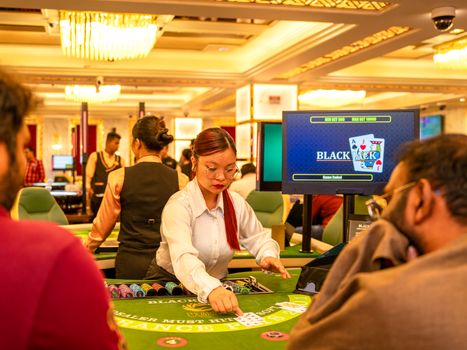
In "Rain Man" (1988), the blackjack scenes at Caesars Palace do more than showcase card counting—they highlight the evolving relationship between brothers Charlie (Tom Cruise) and Raymond (Dustin Hoffman). The casino floor becomes a crucible where trust, manipulation, and love are tested. This film not only entertained but also educated millions about the concept of card counting, with an estimated 30% spike in blackjack interest in U.S. casinos following its release.
Directors often use close-ups, lingering shots of trembling hands, and the cacophony of chips and cards to convey the anxiety and adrenaline of the moment. These cinematic techniques immerse the audience in the character’s emotional turmoil, making every win or loss feel deeply personal.
The Symbolism of Gambling in Film Narratives
Gambling is more than just a plot device—it’s a symbol loaded with meaning. For many filmmakers, the casino or gambling table serves as a metaphor for life’s unpredictability. In "The Hustler" (1961), Paul Newman’s character, Fast Eddie Felson, isn’t just playing pool for money; he’s seeking meaning and validation, risking everything for a shot at greatness.
Similarly, in "Uncut Gems" (2019), Adam Sandler’s character, Howard Ratner, is a compulsive gambler whose relentless pursuit of the next big win mirrors his chaotic, self-destructive life. The Safdie brothers, who directed the film, have said in interviews that they used gambling as a lens to explore addiction, ambition, and the American dream gone awry.
Gambling scenes can also symbolize fate versus free will. When a character places a bet, they’re making a choice—but the outcome is determined by chance. This duality is at the heart of many classic films, forcing characters (and audiences) to ponder the limits of control in a world governed by randomness.
How Realistic Are Movie Gambling Scenes?
While gambling scenes are designed for maximum drama, they often take liberties with reality. For example, the final hand in "Casino Royale" features an improbable combination of straight flushes and full houses, statistically so rare that the odds are estimated at 1 in 165 million. Similarly, Hollywood often embellishes the speed of casino games or the reactions of dealers and pit bosses for dramatic effect.
Yet, some films strive for authenticity. "Rounders" employed professional poker players as consultants to ensure the games felt realistic, while "21" (2008), based on a true story, depicted the MIT blackjack team’s card-counting strategies with impressive detail. The impact of these films is tangible—poker participation in the U.S. nearly doubled between 2003 and 2006, a phenomenon known as the “Moneymaker Effect,” named after poker champion Chris Moneymaker but fueled in part by poker’s glamorous portrayal in film.
The Lasting Cultural Impact of Gambling on Cinema
The influence of gambling in movies extends far beyond the screen. Casinos have become synonymous with glamour and intrigue thanks in large part to their depiction in Hollywood. According to the American Gaming Association, U.S. casinos generated $60.4 billion in revenue in 2022, with spikes in tourist interest often correlating with the release of blockbuster gambling movies.
Film has also shaped public perceptions of gambling—sometimes glamorizing it, sometimes sounding a cautionary note about addiction and loss. "The Gambler" (1974 and its 2014 remake) is a prime example, offering a sobering look at the destructive side of compulsive betting.
The legacy of these scenes is evident in the language of pop culture. Phrases like “all in,” “double down,” and “ace up your sleeve” have entered everyday conversation, testifying to the enduring power of gambling imagery in film.
Final Thoughts on Gambling’s Cinematic Allure
From poker tables to roulette wheels, the world of gambling continues to cast a spell over filmmakers and audiences alike. These scenes amplify drama, test character, and serve as metaphors for life itself. While movies may sometimes exaggerate the reality of gambling, their impact on culture, psychology, and even real-world gaming trends is undeniable. As long as there are stories to tell about luck, risk, and daring, gambling will remain a fixture in the movies—reminding us that, in cinema and in life, the greatest rewards often come with the greatest risks.