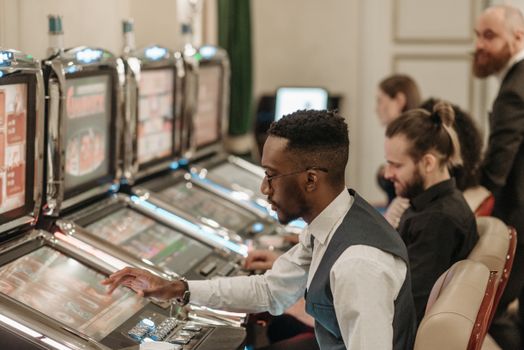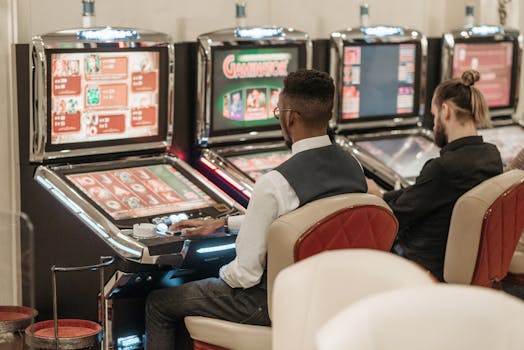
Slot machines are everywhere: from the dazzling floors of Las Vegas casinos to the digital reels on your smartphone. Their appeal is undeniable — in fact, slot machines make up over 70% of the average casino’s revenue, according to the American Gaming Association. Despite their seemingly simple design, players often spend hours spinning the reels, chasing that elusive jackpot. Why do we keep playing, even when the odds are stacked against us? The answer lies deep within our brains. This article explores the fascinating psychology behind slot machines, revealing the powerful forces that keep millions of people pulling the lever or tapping the spin button.
The Science of Random Rewards: Variable Ratio Reinforcement
At the heart of slot machines’ addictive nature is the concept of variable ratio reinforcement — a psychological principle discovered by behaviorist B.F. Skinner in the 1950s. Skinner found that animals (and humans) will repeat a behavior most persistently when rewards are given unpredictably.
Slot machines don’t pay out on every spin. Instead, wins arrive at random intervals, making the next jackpot feel possible with every pull. This pattern is called a "variable ratio schedule." It’s the same reward system that makes lottery tickets, social media notifications, and even video games so compelling.
.png)
The anticipation of a possible win triggers dopamine release in the brain — the same chemical involved in pleasure and reward. This means that even near-misses or small wins can activate the brain’s reward center, encouraging continued play. In 2019, a study published in the journal Nature found that dopamine spikes were highest not at the moment of winning, but in the expectation of a win. This “anticipatory high” keeps players coming back for more, even if big wins are rare.
Design Tricks: Audio, Visuals, and Immersive Experiences
Slot machine designers (known as “game developers” in the digital age) use a toolkit of sensory tricks to heighten excitement and encourage longer play sessions. The combination of lights, sounds, and colors is carefully engineered to create an immersive environment.
- $1: Bright, flashing lights signal wins, bonuses, and special features. Studies show that these visual cues activate the same pleasure centers as actual monetary rewards. Casinos often cluster machines together, creating a sea of excitement that draws players in. - $1: Winning spins trigger upbeat jingles and coin-dropping effects, even when the prize is less than the bet. According to a 2010 University of Waterloo study, these sounds can lead players to overestimate their winnings and underestimate their losses. - $1: Many modern slots use LDWs, where a player wins back less than their original bet, but still receives celebratory visuals and sounds. This tricks the brain into registering a “win,” reinforcing play even as the player loses money.These design elements are not accidental. In fact, a 2022 report by the UK Gambling Commission revealed that immersive slot machine features increase player engagement by up to 30%.
The Power of Near-Misses and “Almost Winning”
One of the most powerful psychological hooks in slot machines is the near-miss effect. A near-miss occurs when the symbols on the reels line up almost perfectly for a win — for example, two jackpot symbols and a third just one spot away.
Research shows that near-misses stimulate the same brain areas as actual wins. In a 2009 study published in Neuron, players experiencing near-misses had increased activity in the ventral striatum, a key region for motivation and reward. This response is not logical: a near-miss is objectively a loss, but our brains interpret it as a sign that a win is just around the corner.
Slot machines frequently display near-misses more often than would occur randomly, purposefully leveraging this psychological quirk. This keeps players motivated, believing that persistence will eventually pay off.
Personalization and the Illusion of Control
Slot machines are often seen as games of pure chance, but designers employ subtle tricks to make players feel in control. This perceived agency can increase engagement and risk-taking.
- $1: Many modern slot games offer “bonus rounds” or “pick-a-prize” features, where players choose boxes, spin a wheel, or select from hidden options. Even though the outcomes are predetermined, the act of choosing gives players a sense of influence. - $1: Players can adjust coin values, number of paylines, and bet amounts. The ability to “strategize” enhances the illusion that skill or intuition can beat the odds. - $1: With thousands of slot themes available — from blockbuster movies to favorite animals — players often feel a personal connection to certain machines. This emotional attachment can deepen engagement and make losses feel less painful.A 2018 study by the University of British Columbia found that players who felt more “in control” of their slot gaming were significantly more likely to play longer and bet more money, even when outcomes were random.
Slot Machines vs. Traditional Table Games: A Psychological Comparison
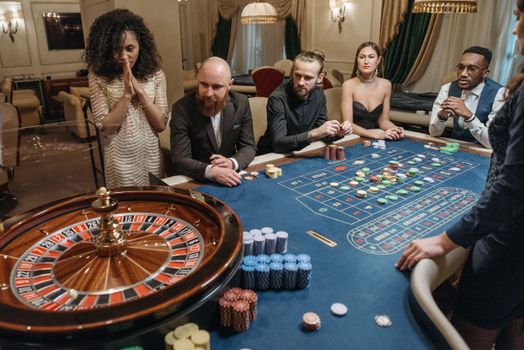
How do slot machines stack up against traditional casino games like blackjack or roulette, psychologically speaking? The answer lies in their design and the player experience. Here’s a comparison overview:
| Aspect | Slot Machines | Table Games |
|---|---|---|
| Pace of Play | Fast, continuous spins (up to 600/hr) | Slower, round-based, social interaction |
| Skill Involvement | Almost none (chance-based) | Some skill/strategy (e.g., blackjack) |
| Reward Schedule | Variable ratio, unpredictable | More predictable, based on odds |
| Sensory Stimulation | High (lights, sounds, graphics) | Low to moderate (chips, cards, dealer) |
| Isolation vs. Social | Usually solitary | Often social/group play |
| House Edge | 5%–15% (average) | 0.5%–2.5% (e.g., blackjack) |
As the table shows, slot machines are designed for rapid, solitary play with intense sensory engagement and an unpredictable reward system. These features are uniquely effective at driving repeat play and making it easy to lose track of time and money.
The Role of Accessibility and Convenience in Slot Machine Popularity
The psychology of slot machines is amplified by their accessibility. With the rise of online casinos, anyone with a smartphone or computer can access hundreds of slot games instantly. In 2023, the global online slots market was valued at over $20 billion, and is projected to grow at 12% annually through 2028.
Online slots utilize the same psychological strategies as physical machines — and often add more, such as daily rewards, loyalty bonuses, and push notifications. A study by the UK Gambling Commission found that 56% of online slots players cited “ease of access” as a key reason for playing.
Physical slot machines are also strategically placed in casinos near entrances, restrooms, and restaurants, drawing in patrons with their lights and sounds. The result: more opportunities for spontaneous play and impulse betting.
Responsible Gambling: Recognizing the Risks
Understanding the psychology behind slot machines is crucial for responsible gambling. The very features that make slots exciting also make them risky for problem gambling. According to the National Council on Problem Gambling, about 1–2% of U.S. adults are at risk for pathological gambling, with slots being the most common form of problematic play.
Some warning signs include: - Chasing losses with bigger bets - Losing track of time or spending more than intended - Feeling irritable or anxious when not playing - Concealing gambling habits from family or friendsMany jurisdictions now require casinos and online operators to provide self-exclusion tools, limit-setting options, and prominent information about the odds and risks involved. If you or someone you know may have a gambling problem, organizations like Gamblers Anonymous and the National Helpline (1-800-GAMBLER) offer confidential support.
The Enduring Appeal: Why Slot Machines Captivate Us
Slot machines are more than just games of chance — they are expertly engineered experiences that tap into some of the most fundamental aspects of human psychology. The interplay of unpredictable rewards, sensory stimulation, and the illusion of control creates a powerful feedback loop that is difficult to resist. Whether in a glittering casino or on a smartphone, the allure of the next spin is fueled by anticipation, excitement, and the hope of a big win.
By understanding how and why slot machines captivate us, players can make more informed choices and recognize the signs of unhealthy play. The next time you hear the chimes and see the spinning reels, remember: it’s not just luck — it’s science in action.