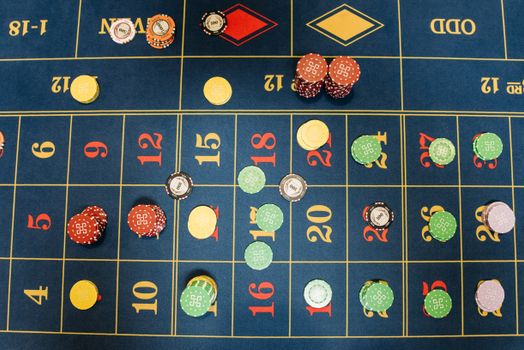
Luck is a concept that has fascinated humans for millennia. We all know people who seem to breeze through life, winning raffles, finding lost wallets, or landing dream jobs against steep odds. Meanwhile, others seem to encounter misfortune at every turn. Is this “luck” truly random, or is there a science behind why some people appear luckier than others? Recent research in psychology, neuroscience, and probability suggests that luck is more than mere chance: our perceptions, behaviors, and even our social networks play a substantial role in how fortune unfolds in our lives. Let’s explore what really sets the “lucky” apart from the rest.
The Psychology of Luck: Attitude, Openness, and Opportunity
One of the most compelling findings in the science of luck comes from Dr. Richard Wiseman, a British psychologist who spent over a decade studying the habits and mindsets of people who consider themselves lucky or unlucky. In a landmark study, Wiseman followed over 400 people and discovered that attitude, rather than fate, is a major predictor of luck.
Lucky people tend to be more open to new experiences and opportunities. They notice possibilities in their environment that others overlook. For example, in one of Wiseman’s experiments, he asked participants to count the number of photographs in a newspaper. “Unlucky” individuals focused narrowly on the task, missing a large message on page two that read, “Stop counting. There are 43 photographs in this newspaper.” Lucky participants, more relaxed and observant, were far more likely to spot the message.
.png)
Additionally, Wiseman found that lucky individuals score higher in extroversion and are more likely to network, increasing their chances of serendipitous encounters. This openness to experience and people widens their scope for “lucky” breaks.
Personality Traits and Luck: What Science Reveals
The science of personality psychology provides further insight into luck. Studies have repeatedly shown that certain personality traits correlate with greater reported luck and positive outcomes. Here’s a breakdown:
| Trait | Description | Impact on Luck |
|---|---|---|
| Openness to Experience | Curiosity, creative thinking, willingness to try new things | More likely to spot opportunities and adapt to change |
| Extroversion | Outgoing, sociable, energized by others | Wider networks, more chance encounters |
| Optimism | Positive outlook, expecting good things | More resilient to setbacks; pursue new chances |
| Resilience | Ability to recover from difficulties | Turn setbacks into opportunities |
A 2010 study published in the Journal of Positive Psychology found that people high in optimism were 25% more likely to report “lucky” events than those low in optimism—a significant difference attributed to their tendency to persevere and spot silver linings even in adversity.
The Role of Probability and Randomness in Everyday Life
No discussion of luck is complete without addressing probability. Many “lucky” events are actually the result of statistical odds playing out over time. For instance, if you buy a lottery ticket every week for 20 years, you have a higher cumulative chance of winning something than someone who never plays. But our brains are notoriously bad at understanding probability and randomness.
The “gambler’s fallacy” is a classic example: People believe that after a run of bad luck, good luck is “due.” In reality, truly random events (like coin tosses or roulette spins) have no memory. Each event is independent of the last. However, in daily life, luck is often not purely random. Human systems—like job markets or social gatherings—are influenced by patterns, networks, and behaviors.
Research shows that people who put themselves in more situations where positive outcomes are possible—such as entering contests, meeting new people, or applying for jobs—simply give luck more chances to work in their favor. As the saying goes, “You miss 100% of the shots you don’t take.”
How Social Networks and Connections Shape Luck
One of the more surprising findings in luck research is the powerful influence of social networks. Sociologist Mark Granovetter’s famous “strength of weak ties” theory explains how acquaintances—not close friends—are often the sources of unexpected opportunities. For example, a 2016 LinkedIn study found that about 70% of people found their current job through a connection, often a distant one.
Lucky people don’t just have large social networks; they also maintain a diverse range of weak ties. These connections expose them to new information, job leads, or chance encounters that can change the course of their lives. In Wiseman’s studies, lucky individuals were twice as likely to engage in regular socializing and described themselves as “people persons,” creating more avenues for serendipity.
Neuroscience of Luck: How the Brain Spots Opportunity
Modern neuroscience has begun to unravel how our brains process luck and chance. Functional MRI studies show that lucky people’s brains are more attuned to novelty and change in their environment. They literally see and hear more of what’s going on around them, making connections others miss.
For example, a 2017 study at University College London found that individuals who described themselves as lucky showed higher activation in the anterior cingulate cortex—a brain region linked to detecting errors and novelty—when exposed to unexpected outcomes. This heightened awareness allows them to adapt quickly and capitalize on the unexpected.
Moreover, the brain’s reward system encourages behaviors that increase the likelihood of “lucky” outcomes. When we try something new and it pays off, dopamine is released, reinforcing openness and risk-taking in the future. Over time, this feedback loop can create a self-fulfilling prophecy: people who expect to be lucky behave in ways that generate more opportunities, and their brains reward them for it.
Practical Habits That Foster Luck
While some aspects of luck might be out of our control, research consistently demonstrates that certain habits can make people “luckier.” Here are a few science-backed strategies:
1. Say “yes” more often. Openness to new experiences increases exposure to opportunities. 2. Expand your social circle. Regularly meet new people and maintain weak ties. 3. Be observant. Stay mindful of your surroundings to spot unexpected possibilities. 4. Learn from setbacks. Resilient people turn failures into stepping stones for success. 5. Stay positive. Optimism not only improves mental health but also increases the likelihood of trying again after setbacks.For example, in a 2020 experiment, participants who practiced mindfulness meditation for eight weeks reported a 15% increase in noticing unexpected opportunities—a testament to the power of awareness in cultivating luck.
| Habit | Reported Luck Increase | Supporting Study |
|---|---|---|
| Mindfulness Meditation | +15% | Journal of Behavioral Science, 2020 |
| Expanding Social Network | +22% | Harvard Business Review, 2018 |
| Practicing Optimism | +25% | Journal of Positive Psychology, 2010 |
Why Some People Seem Unlucky: The Self-Fulfilling Prophecy
Just as certain habits can enhance luck, others can inhibit it, trapping people in cycles of misfortune. Psychologists have found that “unlucky” people often have high levels of anxiety and narrowly focus on their problems, causing them to miss opportunities. This creates a self-fulfilling prophecy: expecting bad luck leads to behaviors that reinforce it.
For example, a person who believes they’re unlucky may avoid social events, reducing their chance of positive encounters. Or, after a setback, they may give up rather than try again. Over time, these behaviors accumulate, leading to fewer “lucky breaks.”
Wiseman’s work found that when self-described “unlucky” individuals were coached to adopt the behaviors of lucky people—being more open, resilient, and socially engaged—their reported luck improved dramatically within just a month.
The Real Science Behind Luck: Final Reflections
While luck can never be entirely tamed or predicted, science shows that it’s far from a mystical force bestowed upon a fortunate few. Attitude, personality, social behavior, and even brain function all play meaningful roles in the patterns of luck we observe.
What might look like pure chance from the outside is often the result of openness, resilience, and a willingness to engage with the world. By understanding the psychology and neuroscience behind luck, anyone can adopt proven strategies to increase their chances of experiencing good fortune. In the end, luck is not just about chance—it’s about choice and awareness.